Quick Lookup
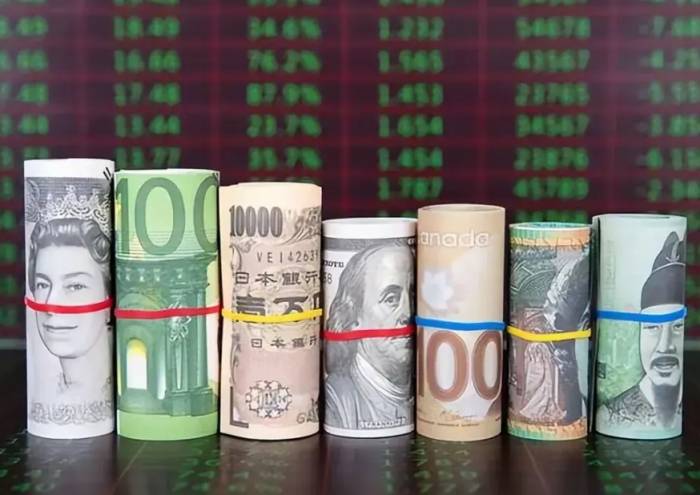
I remember standing in a currency exchange booth in Hong Kong back in the day, watching the trader casually flip through a stack of notes — US dollars, euros, pounds, yen. He told me, “These are the ones everyone trusts.” That moment stuck. Because behind every banknote is a story of power, stability, and global confidence. So here’s the full list of world reserve currencies — the ones that central banks actually hold, and why.
What Makes a Currency a Reserve?
A reserve currency is money that central banks and governments hold in large quantities to back their own liabilities, settle international debts, and influence exchange rates. It’s not just about trade volume — it’s about trust. Trust that the currency will hold its value, that it can be easily exchanged, and that the issuing country has a stable political system. The International Monetary Fund (IMF) tracks these allocations through its COFER (Currency Composition of Official Foreign Exchange Reserves) database.
Historical Reserve Currencies
Before the US dollar became the king, there were others. Here’s the timeline of dominant reserve currencies.
| Period | Reserve Currency | Key Reason |
|---|---|---|
| 15th–16th century | Portuguese real | Portuguese maritime empire and gold from Africa |
| 17th century | Spanish dollar (pieces of eight) | Silver mines in South America, global trade |
| 18th century | Dutch guilder | Amsterdam financial market, Dutch East India Company |
| 19th century | French franc | France’s political influence and gold reserves |
| 1816–1945 | British pound sterling | British Empire, industrial revolution, London financial center |
| 1944–present | US dollar | Bretton Woods, US economic/military dominance |
| Currency | Share of Global Reserves | Trend |
|---|---|---|
| US Dollar (USD) | ~58% | Slow decline from 70% in 2000 |
| Euro (EUR) | ~20% | Stable since euro introduction |
| Japanese Yen (JPY) | ~5.5% | Gradual increase |
| British Pound (GBP) | ~4.8% | Slight decline |
| Chinese Renminbi (CNY) | ~2.7% | Rising since 2016 inclusion |
| Canadian Dollar (CAD) | ~2.1% | Stable |
| Australian Dollar (AUD) | ~2.1% | Stable |
| Swiss Franc (CHF) | ~0.2% | Stable |