Let's cut straight to the point. If you're looking for a simple answer to "Who is Russia's biggest trade partner?", it's China. Full stop. But if you stop there, you're missing the entire story—a story that's reshaped by war, sanctions, and a dramatic pivot in global alliances. This isn't just about a top spot on a list; it's about understanding a fundamental shift in how Russia survives economically on the world stage. The relationship has exploded from a significant partnership to an overwhelming dependency, with trade hitting a record $240 billion in 2023, according to Chinese customs data. This article digs into the how, the why, and the very real consequences for businesses and geopolitics.
What You'll Find in This Guide
Who is Russia's Biggest Trade Partner? The Clear Answer
China. It's not even a close race anymore. Before 2022, the European Union as a bloc was Russia's largest trading partner. That changed almost overnight following the invasion of Ukraine and the subsequent Western sanctions. Russia needed a lifeline, and China was ready and willing to provide it.
Here’s a snapshot of Russia's key trade relationships to put China's dominance in perspective. The data, sourced from reports by the International Trade Centre and national statistics, shows a stark picture of re-alignment.
| Trade Partner | Approx. Trade Volume (2023) | Key Characteristic |
|---|---|---|
| China | $240 billion | Dominant partner, covering critical gaps. |
| European Union (as bloc) | ~$85 billion | Dramatically reduced from pre-2022 levels. |
| India | ~$65 billion | Fast-growing, especially for Russian oil. |
| Turkey | ~$55 billion | Key logistics and re-export hub. |
| Belarus | ~$40 billion | Close political ally within Eurasian union. |
The volume with China is nearly triple that of the next-largest single partner. This isn't just a statistic; it's a strategic reality. For Russian businesses needing anything from machine parts to smartphones, and for the government needing to sell its oil and gas, the road increasingly leads to Beijing.
How Did China Become Russia's Top Trade Partner?
This wasn't an accident. It was a slow burn that turned into a wildfire. The foundation was laid over two decades.
Back in the early 2000s, trade was modest. But both sides saw the potential. A major milestone was the $400 billion, 30-year natural gas deal signed in 2014—right after Russia's annexation of Crimea and the first round of Western sanctions. That was the first big signal that China would be Russia's economic backstop against Western pressure.
The real catalyst, however, was 2022. When Western companies left and advanced technology imports were cut off, Russia's industrial and consumer sectors faced immediate collapse. China filled the void, not with charity, but with pragmatic commerce.
A Common Misconception: Many think this is a brand-new, sanctions-driven relationship. The truth is, the trend was firmly established years ago. The sanctions of 2022 didn't create the Russia-China trade axis; they supercharged it and removed any remaining alternative paths for Moscow. The dependency was baked in long before the tanks rolled.
Infrastructure played a huge role. Investments in pipelines like the Power of Siberia, and rail links across the long border, made moving massive volumes of goods physically possible. Without these pieces, the current trade levels would be a pipe dream.
What Do They Actually Trade? The Commodity Breakdown
It's a classic complementary relationship, but with a modern twist. Russia sends raw materials; China sends finished goods and technology. Let's break it down, because the devil is in these details.
Russia Exports to China (The Raw Material Lifeline):
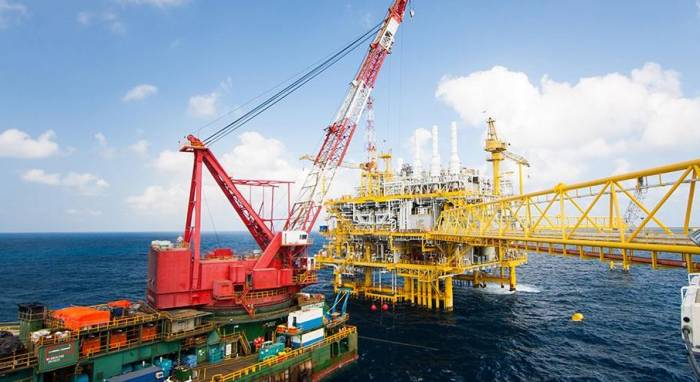
- Crude Oil & Petroleum Products: The single biggest item. China is now the top buyer of Russian Urals crude, often at a significant discount. This keeps Russian oil flowing and gives China cheap energy.
- Pipeline Natural Gas & Coal: Volumes are soaring via the Power of Siberia pipeline and rail. This is a long-term, contractually locked-in trade.
- Refined Copper, Aluminum, and Other Metals: With Western markets restricted, Russian metals giants like Rusal funnel their output east.
- Agricultural Products: Soybeans, corn, and wheat. Russian farmers are increasingly looking to China as a primary market.
China Exports to Russia (The Finished Goods Lifeline):
- Cars and Vehicle Parts: Chinese brands like Haval, Chery, and Geely have utterly captured the Russian market, replacing departed European, Japanese, and Korean manufacturers. It's the most visible change on Russian streets.
- Machinery and Electronics: From industrial equipment to consumer gadgets. This is where the sanctions bite the hardest, and Chinese suppliers are the only game in town.
- Consumer Goods & Clothing: Everything from smartphones to shoes, filling shelves left empty by departed Western brands.
- Dual-Use Items: This is the grey area. Reports from analysts like those at Silverado Policy Accelerator suggest significant flows of Chinese-origin microchips, drones, and other equipment that can have both civilian and military applications, helping Russia circumvent sanctions on its defense industry.
The balance is lopsided. Russia runs a significant trade deficit with China, meaning it imports far more in value than it exports. It pays for this deficit with the hard currency from its energy sales. This creates a dependent relationship, not an equal one.
The Sanctions Effect: Accelerating the Inevitable
Sanctions didn't stop Russia-China trade; they rerouted and reshaped it. The impact is twofold.
First, they eliminated competition. With German, American, and Japanese firms gone, Chinese companies face no rivals in the Russian market. They can set terms, often demanding payment in Chinese Yuan or Russian Rubles, bypassing the US dollar. This is a quiet but profound shift in global finance.
Second, they created a "shadow logistics" network. Goods don't always go directly from Shanghai to St. Petersburg. They move through hubs like Turkey, Kazakhstan, the UAE, and Hong Kong. This obfuscates the final destination, makes tracking harder, and allows for the blending of origins to avoid secondary sanctions. If you're a procurement manager trying to ensure compliance, this maze is your biggest headache.
The much-discussed "parallel imports" scheme legalized by the Russian government is essentially a state-sanctioned channel for this grey-market trade, with Chinese goods at its core.
Risks and Realities for Businesses and Investors
So what does this mean if you're not a policymaker but someone with skin in the game—an investor, a supply chain manager, or a business looking at Eurasia?
The Risks are Substantial:
- Over-Dependency Risk (for Russia): Putting all your eggs in one basket is dangerous. If geopolitical tensions were to arise between Beijing and Moscow (a possibility many dismiss too quickly), Russia has no economic fallback.
- Secondary Sanctions Risk (for Chinese & Third-Party Firms): The U.S. and EU are increasingly looking at companies that facilitate sanctions evasion. Getting caught in that net means losing access to Western markets and financial systems—a far larger prize than the Russian market.
- Quality and Reliability Issues: Let's be blunt. Not all Chinese machinery is a direct replacement for German engineering. I've spoken to factory managers in Russia who complain about higher breakdown rates and less reliable after-sales service. The switch comes with hidden costs.
- Payment and Logistics Headaches: Navigating yuan-ruble settlements, dealing with opaque intermediaries, and longer shipping routes add friction and cost.
The (Cautious) Opportunities:
- For Chinese companies, it's a wide-open market with limited competition, albeit one with shrinking consumer spending power.
- For businesses in neighboring countries like Kazakhstan or Armenia, there's a role as logistical and financial intermediaries.
- For global commodity traders, understanding these new flows is key to predicting prices for oil, gas, and metals.
The smart move isn't to dive in blindly. It's to understand that the Russia-China trade corridor is now the central artery of the Russian economy, but it's an artery with potential blockages.