If there’s one knot I tie more than any other, it’s the Palomar. I’ve used it on rocky jetties in Maine, flipping docks in Tennessee, and even on a friend’s boat in the Florida Keys when the cobia showed up. It’s strong, simple, and it works with almost every line type. But here’s the catch: a lot of anglers tie it slightly wrong and never know until a fish breaks them off. This guide is the version I wish someone had handed me years ago.
What’s Inside (Quick Jump)
What Is the Palomar Knot and Why Trust It?
The Palomar is a fixed loop knot. You double the line, pass it through the hook eye, tie a simple overhand knot, then pass the loop over the hook. You pull it tight and the knot seats itself against the eye. It’s one of the few knots that keeps nearly full strength in braided line. That matters—braid is slippery, and many other knots slip under load. I’ve seen the Palomar hold up on big snook and even a stubborn jack crevalle that nearly spooled me.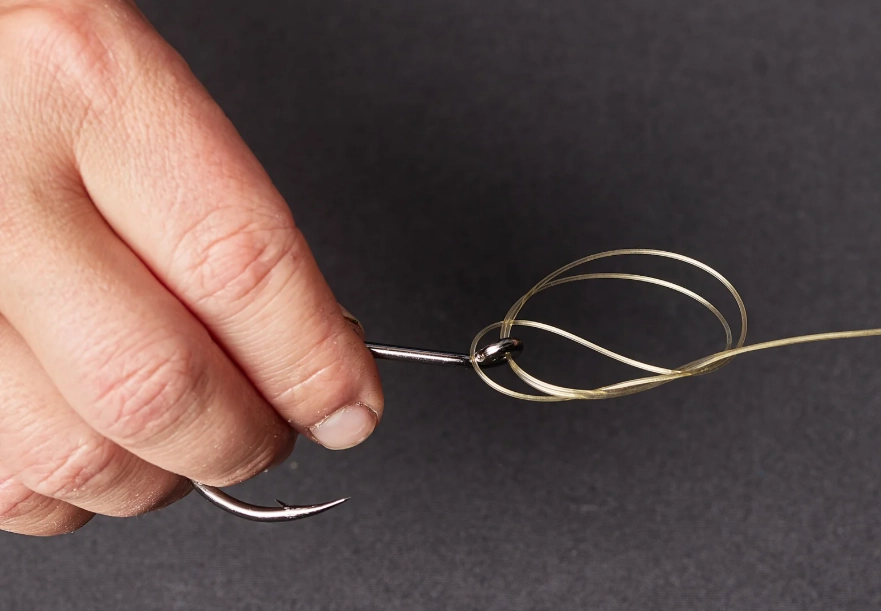
From what I’ve read on the International Game Fish Association (IGFA) website, line-to-leader connections are one of the most common failure points. A well-tied Palomar cuts that risk dramatically. It’s also approved for use in many fishing tournaments because it retains high breaking strength.
How to Tie a Palomar Knot: Step-by-Step
Here’s my process. I’ve tied it hundreds of times in the dark, with cold fingers, and even on a rocking boat. Follow these steps exactly and you’ll get a knot you can trust.
- Step 1 – Double the line. Take about 8 inches of line and fold it back on itself. Don’t twist the two strands together—just let them run parallel.
- Step 2 – Pass the loop through the eye. Push the doubled loop through the hook eye or lure eye. Pull about 4–5 inches through.
- Step 3 – Tie an overhand knot. With the loop and the standing line, tie a loose overhand knot. Don’t tighten it yet. Let the hook hang below the knot.
- Step 4 – Pass the loop over the hook. Take the loop (the tag end) and slip it completely over the hook or lure. Be careful not to let the loop catch on the hook point or barb.
- Step 5 – Wet and tighten. Spit on the knot or dip it in water. Pull the standing line and the tag end in opposite directions. The knot will slide down and seat against the eye. Trim the tag end, leaving about 1/16 inch.
That’s it. The whole thing takes less than 20 seconds once you’ve done it a few times.
Braid vs. Mono vs. Fluorocarbon: The Palomar Difference
Not all lines behave the same with this knot. Here’s a quick breakdown from my own testing and what I’ve seen on the water.
| Line Type | Palomar Performance | My Notes |
|---|---|---|
| Braided line | Excellent (90–95% strength retention) | My top choice for braid. It grips well and resists slipping. |
| Monofilament | Good (85–90%) | I still use it on mono for simple hook swaps. Wet it well. |
| Fluorocarbon | Fair to good (80–85%) | It can slip if you don’t cinch it down hard. I often switch to a different knot for fluoro leaders. |
That said, I’ve had fluoro Palomars fail when I rushed the tightening. So if I’m using fluorocarbon, I retie more often and test the knot with a firm pull before casting.
Common Mistakes I See on the Water
Even experienced anglers mess this up. Here are the three errors I see most often—and how to fix them.
- Not wetting the knot. Dry tightening creates friction. Friction burns the line. I watched a guy lose a nice redfish because he skipped this step.
- Crossing the strands. When you double the line, keep the two strands parallel. If they twist, the knot won’t seat evenly and can slip.
- Overtightening the loop over the hook. When you pass the loop over the hook, don’t yank it down. It should sit loosely before you pull the standing line. Otherwise the knot forms a little kink that weakens it.
There’s a fourth mistake that’s rarely mentioned: trimming the tag end too short. Leave about a sixteenth of an inch. If you cut it flush, the knot can unravel under pressure. I learned that the hard way on a trophy smallmouth.
Which Lures and Hooks Work Best
The Palomar shines with lures that have a closed eye (like most jig heads) and hooks with a standard eye. It’s a bit clumsy with large, heavy lures that have a thick eye, but it can still work. I use it for drop-shot hooks, Texas rigs, and even small crankbaits. Just be careful when passing the loop over treble hooks—those points love to grab the loop.
One situation where I avoid the Palomar: when I’m using a very large swimbait with a heavy wire hook. The loop gets bulky and doesn’t seat as cleanly. In that case, a San Diego Jam knot is my go-to. But for 90% of my fishing, the Palomar is king.
Real Questions from Anglers
Fact-checked against IGFA knot guidelines and my own field notes from years of fishing both freshwater and saltwater. No hype, just what works.