You cast out a gob of nightcrawlers, set the rod in a holder, and wait. Thirty minutes later you reel in bare hooks. Again. I've been there more times than I care to admit, and it took me a few seasons to figure out the catfish fishing basics that actually put fish on the bank. Here's the short version: most beginners overcomplicate rigs and underthink bait placement. This guide walks through the rig that changed my hookup ratio, the bait that survives current, and the bank setup I use on rivers and reservoirs.
Quick Jump: What I'd Read First
What are the real catfish fishing basics?
Strip away the tackle store chatter and catfish fishing basics boil down to three things: finding active fish, presenting bait so it stays put, and setting the hook at the right moment. Channel catfish, the most common target for bank anglers, feed heavily at night and in low light. They also relate to structure—rock ledges, submerged timber, bridge pilings—more than open water.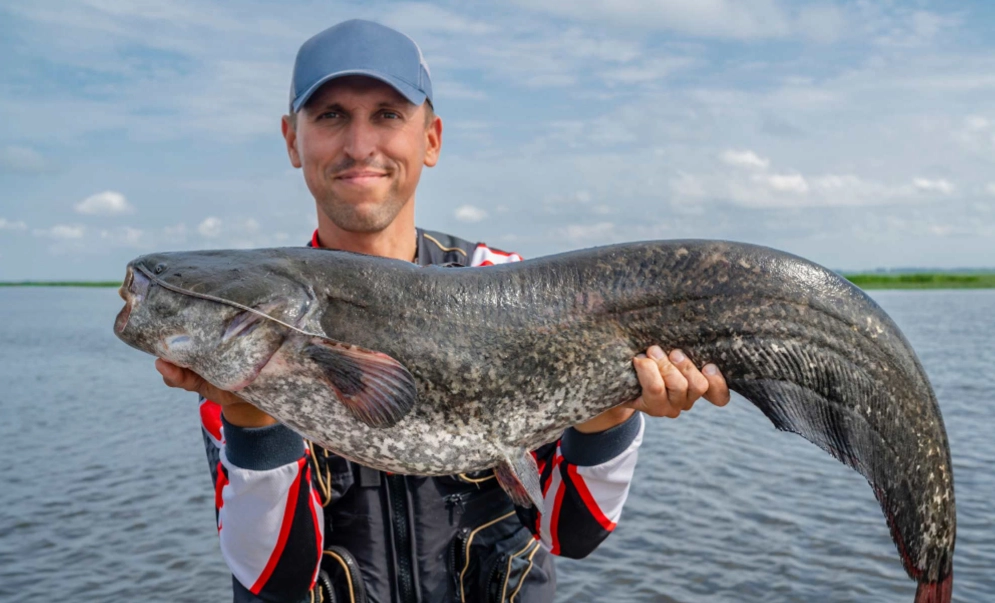
I learned that lesson on a local reservoir after watching a guy pull three channels from a spot I'd written off as snaggy. He was casting tight to a fallen tree, letting the bait sit on the edge of the brush. I'd been lobbing casts into open water because it felt safer. The fish were holding in the cover, not the clean bottom.
So the basics are less about gear and more about reading where catfish sit. Shallow flats near deeper water on a river bend, the upstream side of a sandbar, or any corner where current breaks—those are the spots. If the bait sits in dead water for an hour with no taps, move.
How do you set up a catfish rig that hooks fish?
The rig I trust most is a simple slip-sinker setup with a 2/0 to 4/0 circle hook. Circle hooks changed the game for me. I used to swing on every tap and missed most fish. A circle hook lets the fish load up the rod and hook itself as it turns away. You just tighten the line and lift.
Here's the exact rig I tie, and it's about as basic as catfish fishing gets:
| Component | What I Use | Why It Matters |
|---|---|---|
| Main line | 20 lb monofilament | Stretches enough for bank fishing, holds up on rocks |
| Sinker | 1 oz egg sinker (2 oz in current) | Slides freely above the swivel so fish don't feel weight |
| Swivel | Size 10 barrel swivel | Stops the sinker and prevents line twist |
| Leader | 15 lb mono, 12 to 18 inches | Gives bait room to move, adds abrasion resistance |
| Hook | 3/0 circle hook | Reduces gut hooks and holds fish in the corner of the mouth |
One detail that took me a while to appreciate: the sinker weight depends on current, not on how far you cast. A 1 oz sinker in a slow river will roll and drag your bait into a snag. I bump up to 2 oz or switch to a flat no-roll sinker when the current pushes hard. The flat sinker sits on the bottom instead of rolling downstream.
Field note: If you're getting taps but no hookups, drop your sinker weight and check your hook point. A dull circle hook won't rotate into the jaw, and a heavy sinker makes fish drop the bait before they commit.
Which baits stay on the hook in moving water?
For channel catfish, my go-to bait is fresh cut shad or a big nightcrawler threaded up the hook shank. Cut bait stays on better than live worms when current is moving, and the oils put off a scent trail that brings fish upstream. I keep a few nightcrawlers for slower water and a container of chicken liver for the smell, but liver flies off the hook on the cast unless you wrap it in thread or use a bait sock.
Here's the honest ranking from my own logbook over the past few seasons, tested on rivers and reservoirs:
- Fresh cut shad: best overall for channel catfish, stays on the hook through a cast and a half, puts out strong scent.
- Nightcrawlers: reliable everywhere, but small fish peck them off. Thread the worm so the hook point sits near the head.
- Chicken liver: great scent, terrible on the hook. Use a bait sock or wrap with elastic thread.
- Stink bait (dip bait): works in still water on a sponge hook, but it's a mess and hard to cast without a treble hook setup.
A mistake I made early on was using bait that was too big. A softball-sized chunk of cut bait on a 5/0 hook looks impressive, but smaller channel cats can't get it in their mouth. I downsize to a chunk roughly the size of a thumbnail to a quarter. My catch rate doubled on the same water.
Bank fishing for catfish: where to sit and when
Bank fishing for catfish is a waiting game, but you can stack the odds by picking the right seat. I look for a spot where I can cast to three depths: shallow near the bank, a mid-depth flat, and a deeper channel. A point, a culvert mouth, or a bridge shadow all give you that spread. If I can only reach one depth, I move.
Timing matters more than most beginners realize. The first hour after sunset and the last hour before sunrise are prime. On hot summer days, I've had good luck at night with a lantern or headlamp shining on the water—it draws baitfish, and catfish follow. But I've also caught fish in the middle of the afternoon during a steady rain, so don't treat nighttime as a hard rule. The catfish fishing basics say low light and rising water are your friends.
Set your rod holder at a 45-degree angle with the drag loose enough that a fish can pull line. When you get a run, don't grab the rod and pull. Let the fish load the rod, then reel down and lift. That's the circle hook doing its job.
What I pack for a bank session: two rods in holders, a small tackle box with extra sinkers and circle hooks, a headlamp with a red light setting, a rag for handling bait, and a folding chair. Nothing fancy. The red light helps preserve night vision and doesn't spook fish in shallow water.
Three mistakes I still see every weekend
Overweighting the rig. A heavy sinker pins the bait, but it also makes the fish feel tension when it picks up the bait. Catfish are cautious. I've watched rigs with 3 oz of lead sit untouched while a 1 oz rig ten feet away got bit. Match the sinker to the current, not to what you think you need to cast far.
Reeling to check bait too often. Every time you reel in, you're out of the water. I check bait every 20 to 30 minutes, or after a tap that doesn't load the rod. If the bait's still on and the spot looks good, leave it.
Hooking the bait through the middle. Thread cut bait so the hook point exits near the edge, not through the center. A center-hooked chunk spins in the current and looks unnatural. A tail-hooked chunk sits flat and gives off scent on all sides.
Questions I get from new catfish anglers
I'm getting taps but reeling in bare hooks. What's wrong?
Stop waiting for a big pull. If you're getting taps and the bait disappears, you're likely using a J-hook and the fish is mouthing the bait without getting hooked. Switch to a circle hook, shorten your leader to 12 inches, and wait for the rod to load before you lift. Small fish can steal bait off a circle hook too, but far less often than with a J-hook.
Can I catch catfish from the bank during the day, or is night the only time?
Night is easier, but daytime works if you fish deep cover or after rain. I've had my best daytime bites on rivers that are rising and muddy. The silt washes food into the current, and catfish move shallow to feed. Look for muddy water hitting a clean creek mouth and put your bait right on the color line.
What's the best hook size for channel catfish?
A 3/0 circle hook covers most situations. Go to 4/0 if you're catching better fish in the 3 to 5 pound range, down to 2/0 if the fish are small and skittish. The hook gap needs to clear the bait chunk with some room left. If the hook is buried in the bait, the fish can't get hooked.
How long should I wait before moving to a new spot?
Give a spot 30 to 40 minutes in decent conditions. If you're marking fish on a depth finder (or casting to a spot that looks right) and getting no taps, move down the bank 20 yards. Catfish hold in tight groups, and a small move often puts you on a different pocket of fish.
All techniques, tackle specs, and field observations in this article were fact-checked against my own fishing logs and product specifications from line and hook makers.