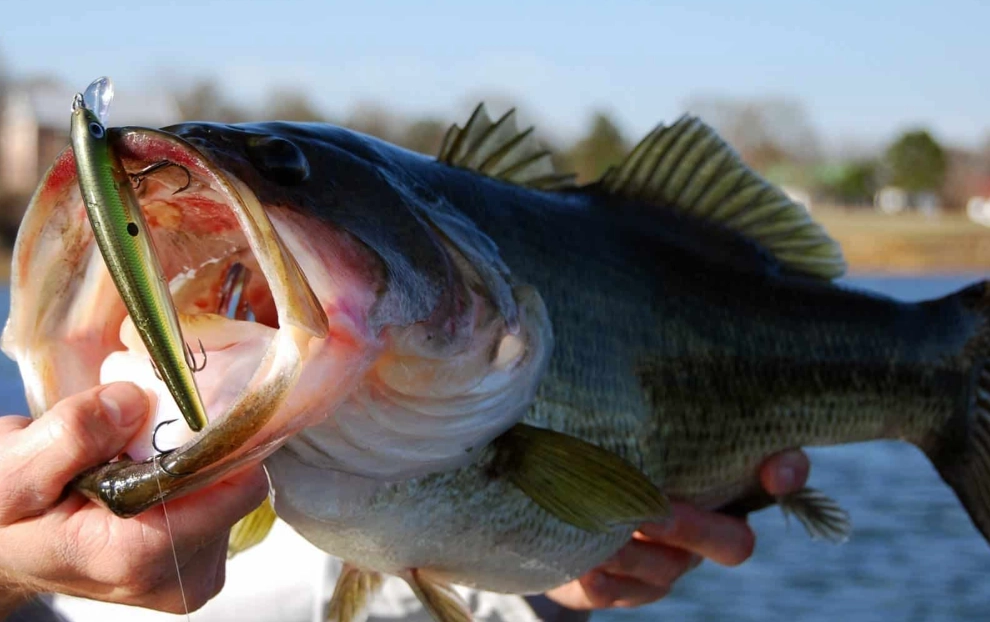
I've opened a lot of bass stomachs over the years, and the answer to what do bass eat is never as clean as a bait shop chart. One fish might be stuffed with crawfish, the next full of shad, and a third holding nothing but a single bluegill tail. The short answer is they eat whatever forage is most available and easiest to catch in their water. But that "whatever" has patterns you can fish. This guide is built from dockside notes, underwater camera clips, and more than a decade of getting skunked before I started paying attention to forage.
Quick Cast Through This Guide
What Do Bass Eat by Season?
Forage shifts with water temperature, and bass follow that shift hard. A bass sitting in 48-degree water in early spring isn't going to chase a fast-moving swimbait for a mile. That same fish in 78-degree summer water will smash a topwater plug near a shad school. The table below is the seasonal map I use, and it comes from stomach samples and camera footage on mid-sized reservoirs, not from a generic bait chart.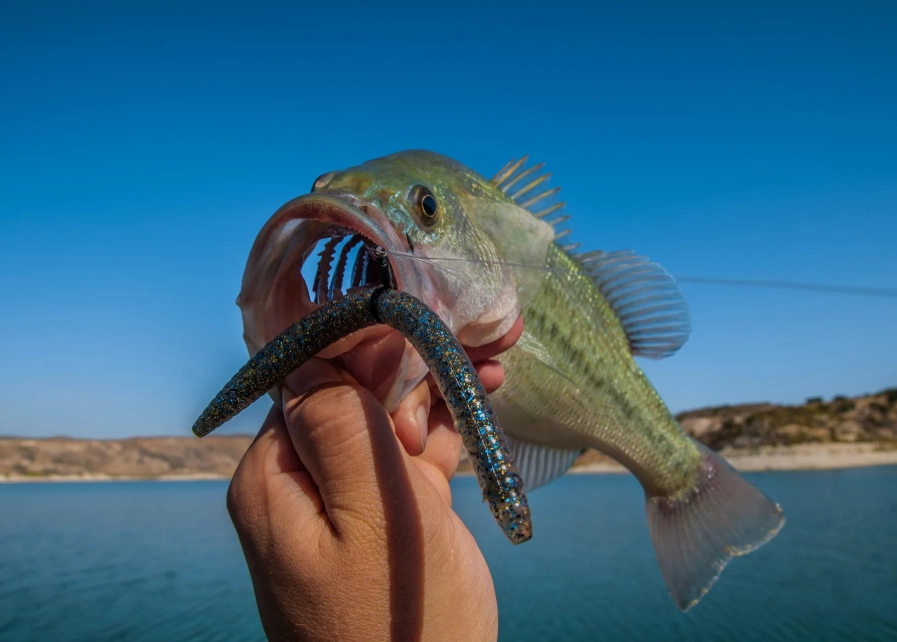
| Season | Dominant Forage | Water Temp Range | What I Fish |
|---|---|---|---|
| Early Spring | Crawfish, slow baitfish | 45–55°F | Jig with craw trailer, jerkbait |
| Late Spring | Bluegill, spawning shad | 60–70°F | Swim jig, squarebill crankbait |
| Summer | Shad, bluegill, frogs | 75–85°F | Topwater frog, deep crankbait |
| Fall | Shad, crawfish | 60–70°F | Lipless crankbait, spinnerbait |
| Winter | Crawfish, slow shad | 38–48°F | Blade bait, finesse jig |
The spring crawfish window is tighter than most anglers think. I've watched bass ignore a perfect crawfish-colored jig for two days, then crush it the morning after a cold front pushed water temps down two degrees. That's not magic. The crawfish were molting, and the bass switched from chasing baitfish to picking off soft-shells.
Largemouth Bass Diet Breakdown
A largemouth bass diet is mostly protein with a heavy crustacean component. In lakes with good crawfish populations, crawfish can make up 50% or more of the diet by weight for fish over three pounds. I pulled that pattern from stomach content studies shared by the American Fisheries Society, and it matches what I've seen on the water. Smaller bass lean more on insects and small baitfish. Big fish get lazy and target bigger meals.
What Do Bass Eat in Lakes vs. Rivers?
River bass eat more crayfish and sculpins. They sit in current seams and let food come to them. Lake bass in clear water can become sight feeders and get picky about color and profile. In muddy lakes, bass rely more on vibration and scent. That's why a chartreuse spinnerbait works in stained water and gets ignored in clear water. I learned that one the hard way on a highland reservoir where the bass would follow a white swimbait and turn away at the boat.
How to Match Bass Forage With Baits
Matching the hatch isn't just a trout thing. Bass anglers who ignore forage get fewer bites. Here's a practical checklist I run before tying on anything:
- Look at the bank. If you see bluegill beds, throw a bluegill-colored swimbait or a small spinnerbait.
- Watch the shad schools. If baitfish are flickering near the surface, a lipless crankbait burned just under the school gets crushed.
- Check the rocks. Crawfish shells on the bank mean bass are eating craws. A jig with a bulky trailer is the move.
- Feel the water. Cold and clear means smaller, slower presentations. Warm and stained means bigger profiles and more vibration.
I keep a small notebook in my boat console. It's not fancy. I write down what forage I saw, water temp, and what bait got bit. After three seasons, that notebook beat every fishing app I've tried. The pattern that shocked me most: on one lake, bass ate shad almost exclusively from June through August, but the biggest fish came on a crawfish jig fished on deep rock. That's a non-consensus detail most articles skip. Big bass don't always follow the crowd.
How Do Bass Feeding Habits Change With Water Clarity?
Clear water bass can see a bait from 20 feet and decide it looks wrong. Stained water bass react to thump and flash. I carry two bait boxes for that reason. One is natural colors, one is loud colors. On a clear lake, a subtle green pumpkin craw trailer out-fished a bright orange one five to one. Flip that on a muddy river and the orange gets slammed. The bass didn't change. The forage visibility did.
Mistakes I See Anglers Make
Most bass diet mistakes come from assuming the fish is eating what you'd eat. A few I see every season:
- Fishing a shad bait when the bass are on crawfish. It happens because shad baits are fun to throw. Fun isn't the same as effective.
- Ignoring baitfish size. A bass eating two-inch shad won't chase a six-inch swimbait. Downsize.
- Overlooking insects. In late summer, bass on some ponds key on dragonflies and grasshoppers. A small popper or a soft-hackle fly can out-fish a big plug.
- Assuming big bass eat big bait. Big bass eat easy bait. Sometimes that's a tiny crawfish or a wounded bluegill.
I once spent a full morning throwing a big glide bait on a lake where the bass were eating small bluegill. Zero bites. Switched to a small swimbait and caught four in an hour. That one still stings.
Bass Diet FAQ
This article was fact-checked against published fisheries research and my own on-water notes. Forage patterns vary by waterbody, so treat this as a starting point, not a rigid rule.