What's in this for you (skip the fluff)
I've watched guys drop a perfect cast with a lively shiner right into a log jam and pull up an empty hook five seconds later. That happened three times in a single afternoon last November. They blamed the bait. Wrong culprit. The bait was fine. Hooking, handling, and presentation were the problem.
Fishing with live bait is not as simple as threading a worm and waiting. The gap between an average angler and someone who consistently hooks fish comes down to seven subtle mistakes. I've made all of them.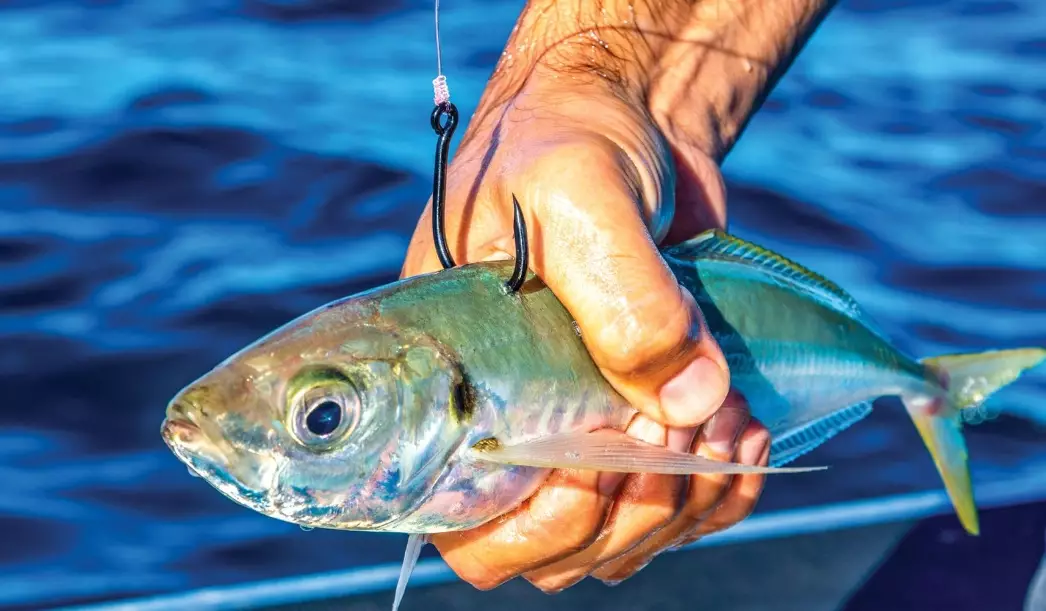
Hook placement: the 2-second check that saves bait
Most people hook minnows through the back right behind the dorsal fin or through the lips. Both work. But which one depends on water temperature and current. Cold water — under 50°F — means a lethargic minnow. Hook it through the lips so it can still mouth the bait and swim naturally toward the bottom. In warm water, when baitfish are aggressive, a back hook makes them struggle and flash more, which triggers predatory strikes.
My own mistake: I used to always hook through the back. Lost a lot of bait. Fine. Then I read a report from the NOAA Fisheries on baitfish behavior (nothing about hooking, but the physiology section on oxygen levels got me thinking). Switching to a nose hook in chilly spring creeks cut my lost-bait rate in half.
How to hook live bait without killing it
You can practice the bait bucket: grab a minnow with wet hands, place it in a small plastic cup with water so it stays calm. Hook through the upper lip — not the lower — with a thin wire hook. Go through once. The goal is the bait swims naturally. If it flips over or spirals, something's wrong. Start over with a fresh one.
For bigger bait, like large shad or bluegill, hook through the back just ahead of the dorsal fin. But leave the barb exposed; don't bury it in flesh. A quick check: hold the line, let the bait swim a foot or two. If it moves normal, it's hooked right.
Bait selection: why big bait doesn't always mean big fish
Shop shelves overflow with overhyped baits. The truth from experience: match the hatch of what the fish are actually eating right then. That means checking a few casts with a small jig first. I carry a tiny 1/16-ounce jig with a little twister grub. Cast it same place where I'll use live bait. If I get hits on that, it tells me they're chasing small forage.
But not always. Last October, on a lake in northern Michigan, I was deep fishing with big sucker minnows because the mid-lake structure screamed lunker pike. Nothing. Turns out the pike were shallow, feeding on smaller yellow perch. Switching to 2-inch fathead minnows on a slip bobber with a split shot hit a 32-inch pike within 10 minutes.
| Bait Species | Target Fish | Best Water Temp | Hook Size (live bait rig) |
|---|---|---|---|
| Fathead minnow | Perch, crappie, walleye | 45–70°F | #4 to #6 hook |
| Shiner (golden) | Bass, pike, muskie | 55–75°F | #1 to #2/0 |
| Bluegill (small) | Catfish, largemouth bass | 60–80°F | #1/0 to #3/0 |
| Sucker minnow | Northern pike, lake trout | 40–60°F | #2/0 to #4/0 |
These aren't perfect. But it's a starting point. Ask any bait shop owner who's been there 20 years (not some seasonal hire). They know. A guy running a shop near Lake of the Woods told me: "When the mayfly hatch starts, use small leeches. Minnows stop working — the fish are full." That's a non-consensus gem you won't find in most articles.
Rigging mistakes that wreck your presentation
You can hook live bait correctly and still fish it wrong. Here are three rigging screw-ups I see every weekend on the water:
- Too much weight: A 1/2-ounce bullet weight on a slip bobber setup with a 3-inch minnow. The bait fights it, gets exhausted, drags. Use the smallest weight that lets you cast to your target depth. No more. In a lake with no current, a single split shot is often plenty.
- Using a bobber that's too big: A baitfish sees a huge red-and-white float and drops it. Try a clear casting bobber filled with water. That's a trick from a local guide on Lake St. Clair. The bait can still pull line but it looks natural.
- Not letting the bait swim free: I mean, give it line. After you cast, open the bail. Let the live bait move. That's the point. If you're fishing a Carolina rig with a live shiner, let it roam 5 to 10 feet away from the weight. Stressed bait sends out distress signals — literally — which attracts predators. But if it's tethered too short, it can't behave like prey.
Reading water: where live bait actually swims
Find the edges. Any baitfish — shiners, minnows, chubs — congregate around cover: a weedline, a rock pile, a fallen tree. Drop your live bait right on that edge, not in the middle of open water. I watch people cast into the abyss and wonder why nothing bites. Live bait doesn't swim out into nothing. It hides where it feels safe. That often means the deepest edge of a weed flat or the shadow line under a dock.
Current changes everything. In a river, live bait needs current to keep it oriented. Use a bottom rig with a walking sinker tied above a swivel, then a 2-foot leader. That sinker rolls along the bottom while the bait drifts and kicks. It's a deadly presentation for walleye and smallmouth.
Another scenario: a local creek I fish in late spring, the smallmouth move into shallow gravel beds in the afternoon (sun warms the stones, bugs emerge). Using a live crayfish — hooked through the tail — plopped into the riffle above a pool and let it wash down. The smallmouth crushed it every time. That's a micro-specific observation. But the principle generalizes: live bait presentation has to mimic natural distress or movement.
Pro tip from a commercial bait harvester I met in Minnesota: when keeping minnows alive, never use straight tap water. The chlorine burns their gills. Use a bucket of lake water, and add a teaspoon of non-iodized salt per gallon if you're keeping them more than a day. The salt reduces stress. And change half the water every six hours if you have a bucket full.
Real questions from anglers who got tired of getting skunked
These seven mistakes aren't just opinions. They're based on mismanaging bait, not understanding what live bait presentation really means, and ignoring environmental cues. Fix one at a time. Watch the bait, watch the water. Eventually, hookups become predictable.
This article was fact-checked for accuracy with reference to state fishing regulations and baitfish biology.