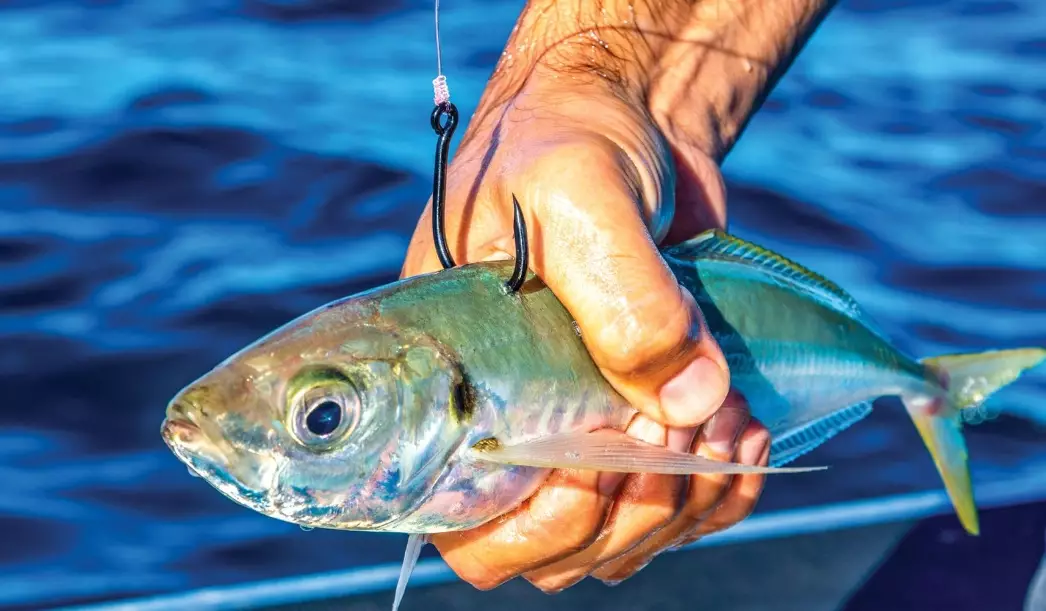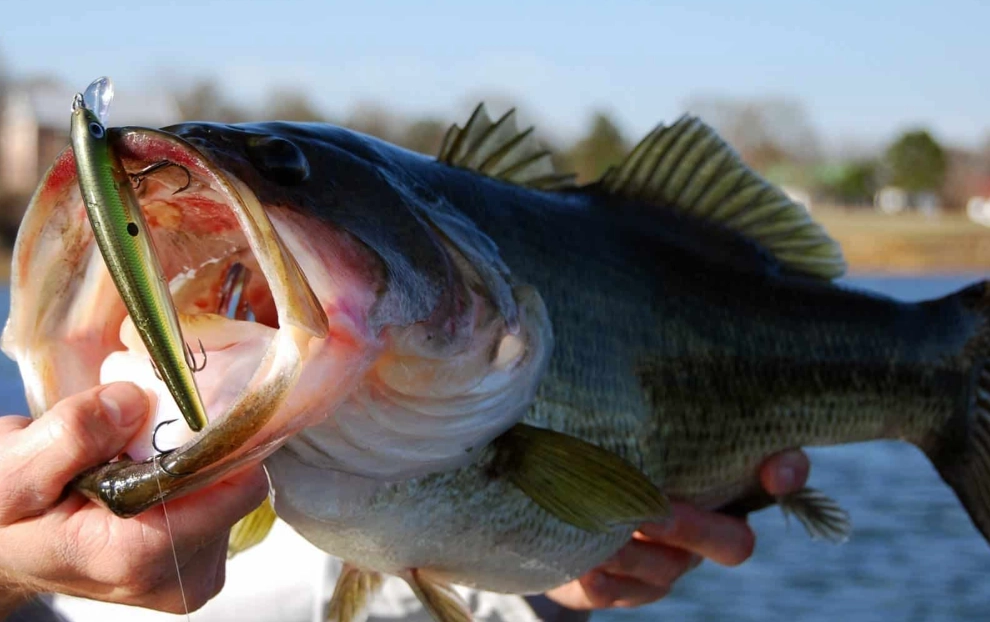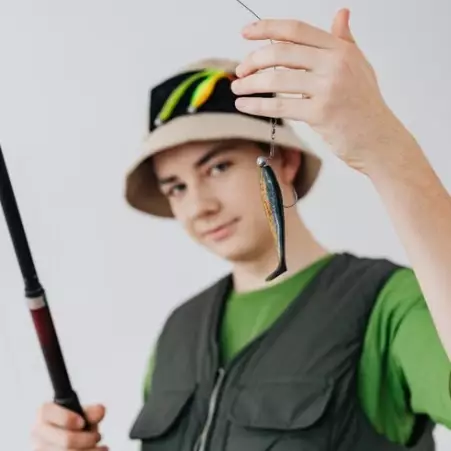
My first trip with a rod was a mess. I had a stiff loaner rod, a baitcaster that backlashed every third cast, and zero clue how to tie a knot that held. The fish won that day. So here's the straight version of how to fish for beginners: start with one spinning rod, one simple knot, and a plan to fish a small pond before you touch a river. That's it.
I've since taught maybe forty people to cast, and the pattern is always the same. The beginners who catch fish in week one aren't the ones who bought the most gear. They're the ones who practiced a clinch knot in the garage and picked a lake with bluegill in it.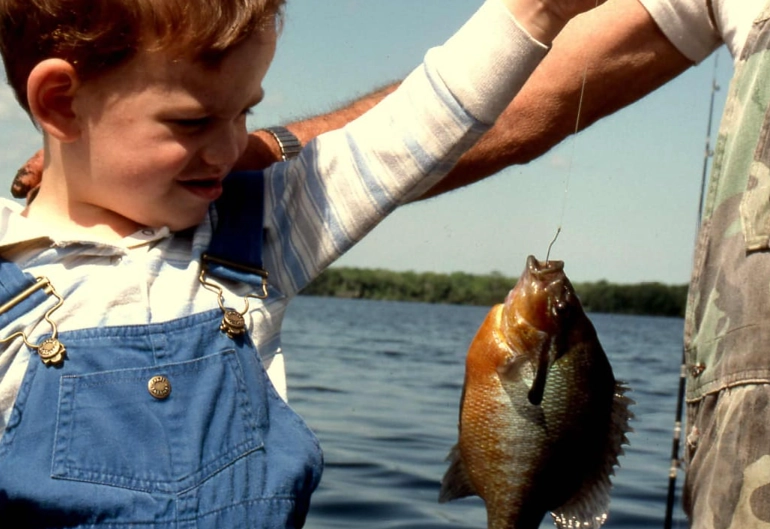
Quick route through this guide
Beginner Fishing Gear: What to Buy and What to Skip
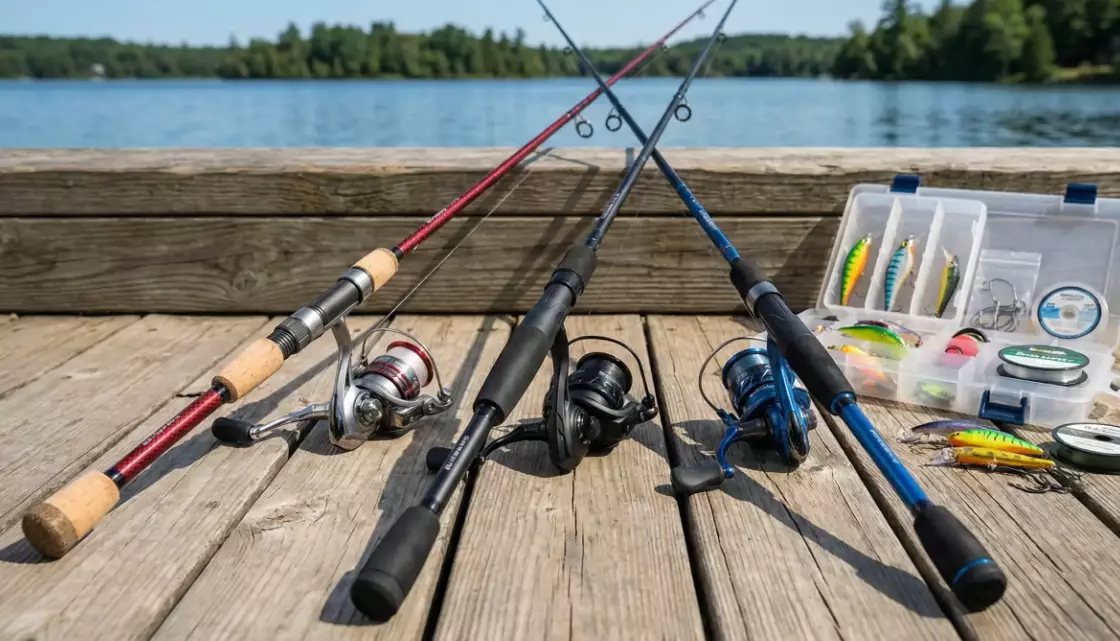
Walk into a tackle shop and you'll get hit with a wall of rods. Ignore most of them. For freshwater panfish and bass, a 6-foot-6 medium-light spinning rod paired with a 2500-size reel spooled with 8-pound monofilament is the boring, correct answer. Ugly Stik GX2 or a Shimano Sienna combo runs about $50 to $80 and survives being dropped on rocks.
Skip the baitcaster. I don't care what the YouTube videos say. A baitcaster punishes bad timing with a bird's nest, and you'll spend your first trip picking loops instead of fishing.
| Item | What to Get | Approx. Cost | Why It Matters |
|---|---|---|---|
| Rod and reel | 6'6" medium-light spinning combo | $50–$80 | Forgiving, casts light lures, easy to learn |
| Line | 8 lb monofilament | $6–$10 | Stretchy and cheap; hides beginner mistakes |
| Hooks | Size 6 and 8 bait hooks | $4 | Fit bluegill and sunfish mouths |
| Bait | Nightcrawlers or small jigs | $5 | Fish actually eat them |
| Extras | Needle-nose pliers, clippers, small box | $15 | Hooking fish without losing fingers |
One thing nobody tells you: buy a rod with a cork or EVA handle, not hard plastic. Wet plastic handles slip when you're landing a fish on a muddy bank. Small detail, big difference when you're crouched over the water.
Line weight is where beginners lose fish
Too many people spool up with 20-pound braid because it feels safe. Then they can't cast a light lure, get frustrated, and quit. Light line casts farther and spooks fewer fish in clear ponds. Save the heavy braid for when you're chasing pike.
What Fishing Knots Should a Beginner Learn First?
Two knots. That's all. The improved clinch knot for tying a hook to your line, and the Palomar knot if you're using braid or need something bombproof. Practice them at the kitchen table with a shoelace before you go. I mean it. Tying a wet knot in the wind with cold hands is a different skill than tying one dry.
Here's the sequence for an improved clinch: thread the line through the hook eye, wrap the tag end around the main line five or six times, pass the tag through the small loop near the eye, then through the big loop you just made, wet it, and pull slow. Wetting the line stops friction from weakening the knot. Most beginners skip that part.
How Do You Cast and Retrieve Without Tangles?
Open the bail with your index finger holding the line against the rod. Look where you want the lure to land, not at the rod tip. Bring the rod back to about 10 o'clock, then push forward to 2 o'clock and release the line when the rod is still moving forward. If you release late, the lure goes up. Release early and it slams into the water at your feet.
Practice on grass first. Ten casts. Then twenty. The motion should feel boring before you take it to water.
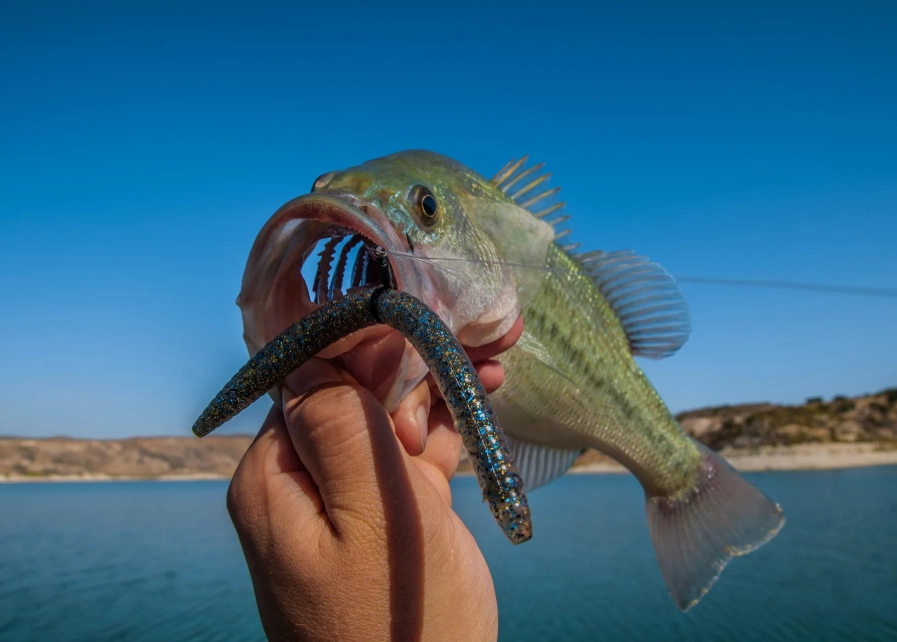
Retrieve is where beginners panic. Reel slow enough that you can feel the lure working. If you're using a worm, let it sink to the bottom, lift the rod tip, let it fall, reel up the slack. Most of my bites come on the fall, not the retrieve.
Where and When Should Beginners Fish?
Small water beats big water every time for a new angler. A half-acre pond at a local park beats a sprawling reservoir where you can't reach the fish. Bluegill are the best teachers. They're aggressive, plentiful, and they live near shore. Look for weed edges, dock pilings, and shade lines.
Timing matters more than most people think. Early morning and the last two hours of daylight are prime. Midday in July, you're mostly practicing casting.
If you want a structured place to start, many state wildlife agencies stock ponds and publish free fishing guides. The U.S. Fish and Wildlife Service also lists public access areas worth checking before you drive out.
Mistakes I See New Anglers Make Every Trip
The non-consensus one: beginners set the hook way too hard. You're not driving a nail. A quick upward sweep of the wrist is enough for most freshwater fish. I've seen new anglers rip a bluegill's lip and lose the fish because they yanked like they were fighting a tuna.
Another: fishing the same spot for an hour with no bite. Move. Fish are not evenly distributed. Twenty feet along the shore can be a different world.
And please, don't overfill your reel spool. Line should sit about a sixteenth of an inch below the lip. Overfilled spools throw loops and cost you a whole morning.
Beginner Fishing Questions I Get Asked Most
This guide was fact-checked against state wildlife agency licensing rules and standard tackle specifications. Practice the clinch knot before you leave the house.