What's Inside (Jump to Any Section)
The first time I walked onto hard water, I carried a five-gallon bucket, a borrowed auger, and zero clue how to read ice. That was years ago. I still fish the same lake, and every winter I watch beginners make the same three mistakes before they even drill a hole. Ice fishing basics aren't complicated, but the details matter. Get them right and you'll stay warm, stay safe, and actually catch fish.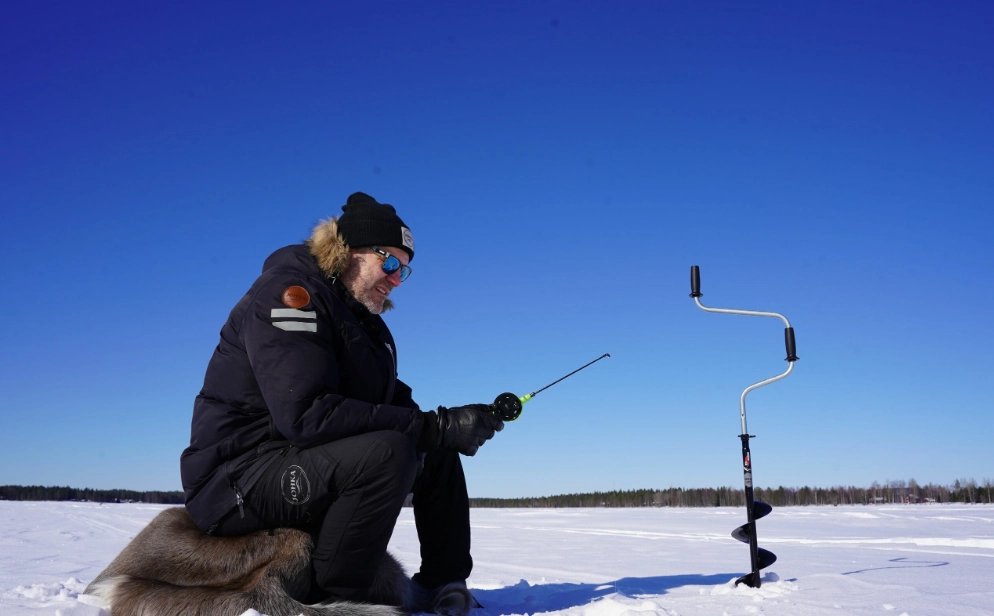
What Are the Real Ice Fishing Basics?
Strip away the fancy electronics and the $400 sleds. Ice fishing basics come down to four things: safe ice, a way to cut a hole, a rod you can feel a bite on, and clothes that keep you functional when the wind hits. Everything else is comfort or convenience.
I've introduced maybe a dozen people to the sport. The ones who had fun focused on those four items. The ones who hated it showed up in sneakers and spent two hours untangling a borrowed tip-up.
How Thick Does Ice Need to Be?
Four inches of clear, solid ice is the widely accepted minimum for one person walking. But here's the part most beginners miss: ice thickness varies across a single lake. A shallow bay might have eight inches while a spring-fed point nearby has two.
The Minnesota Department of Resources publishes a solid ice thickness guideline that I check every year before my first trip. Their chart recommends four inches for foot travel, five to six inches for a snowmobile, and eight to twelve inches for a small vehicle. Those are minimums on clear ice, not averages.
What does clear mean? Honey-colored or black ice is strong. White, milky ice has air pockets and only about half the strength. And no, a layer of snow on top tells you nothing until you drill.
Gear That Matters (and Gear That Doesn't)
Here's a quick comparison of what I'd buy again versus what stayed in my garage.
| Item | Worth It? | Why |
|---|---|---|
| Hand auger (6-inch) | Yes | Cuts fast in under 8 inches of ice, no gas, no noise |
| Insulated boot spikes | Yes | I slipped once on bare glare ice. Never again |
| Float suit | Yes | Keeps you afloat and warm; not cheap, but it buys peace of mind |
| Ice shelter | Only if windy | Heavy and slow to set up alone; skip year one |
| Underwater camera | Not yet | Fun, but it doesn't help you find fish if you can't read structure |
| Bucket | Yes, always | Seat, gear box, and fish holder in one |
That table is the short version. The real lesson is that a hand auger and a simple jig rod will out-fish a $2,000 electronics setup in the hands of someone who doesn't know where fish sit in winter.
First Trip Walkthrough: A Real Scenario
Let's say you're heading to a 200-acre lake in late January. Air temp is 18°F, wind from the northwest at 10 mph. You arrive at 7:30 a.m.
Step one: park at the public access and walk the shoreline. Look for the point where a weed line dies off into deeper water. That transition zone, usually 8 to 15 feet deep, is where I've caught most of my early-season bluegills and perch.
Step two: drill a test hole close to shore. Measure the ice. If it's four inches or more, keep going. If it's less, turn around. I drill a hole every 30 feet or so as I walk out, just to confirm thickness.
Step three: set up two holes, not ten. Drop a small jig tipped with a wax worm or a piece of minnow. Let it hit bottom. Reel up two cranks. Jiggle it. Wait.
Most beginners drill a dozen holes and run between them. Fish in winter are sluggish. They don't chase. I've sat over one hole for 40 minutes and pulled up a mess of perch. A friend who moved every five minutes caught two dinks.
Mistakes I See Every Season
Let me call out two things that never make it into the beginner guides.
Boots over snow pants. If your snow pants hang over your boots, slush will wick up your leg. Tuck them in or wear gaiters. I learned this in a slush pocket that soaked both legs in ten minutes. That ended my day.
Wearing cotton. Cotton kills in cold weather. Once it gets damp from sweat or snow, it stops insulating. I wear a synthetic base layer, fleece mid-layer, and a waterproof shell. That's it.
And one more: don't drag a sled loaded with gear across ice you haven't checked. That extra weight concentrates pressure. Spread your gear out or make two trips.
Ice Fishing Basics FAQ
What's the biggest reason beginners don't catch fish on their first ice trip?
They fish too deep too early. In early ice, weed beds in 6 to 10 feet hold active fish. Fishing the deepest hole in the lake is a common mistake I see over and over.
Can I use a regular spinning rod for ice fishing?
You can, but the action is wrong. Ice rods are shorter and softer, so you can feel a light bite. A stiff summer rod will bounce the jig too much and mask the take.
How do I know if ice is safe after a warm spell?
Don't trust the calendar or the air temperature. Check the ice with an auger or spud bar. A few mild days can weaken the top layer, and rain is worse than sun. If the ice looks gray or slushy on top, I walk away.
Do I need a shelter on my first trip?
Not unless the wind is brutal. A shelter blocks light and adds setup time. I'd rather wear the right layers and fish in the open. You'll learn more about the lake that way.
What's a common mistake when choosing a spot?
Following a crowd. Groups cluster where someone caught fish last week. That spot may be dead today. Look for structure changes on your own, even if it means fishing alone.
This guide reflects firsthand experience on Midwest lakes and cross-checked safety guidance from state natural resource agencies. Verify current ice conditions locally before every trip.