What I'd Read First
I've spent a decade getting skunked on tailwaters before I figured out why. Trout fishing techniques aren't really about fancy casts. They're about not making the small, quiet mistakes that spook fish before your fly even lands. In the first hundred words, here's the truth: your drift depth matters more than your fly choice, and your shadow matters more than both.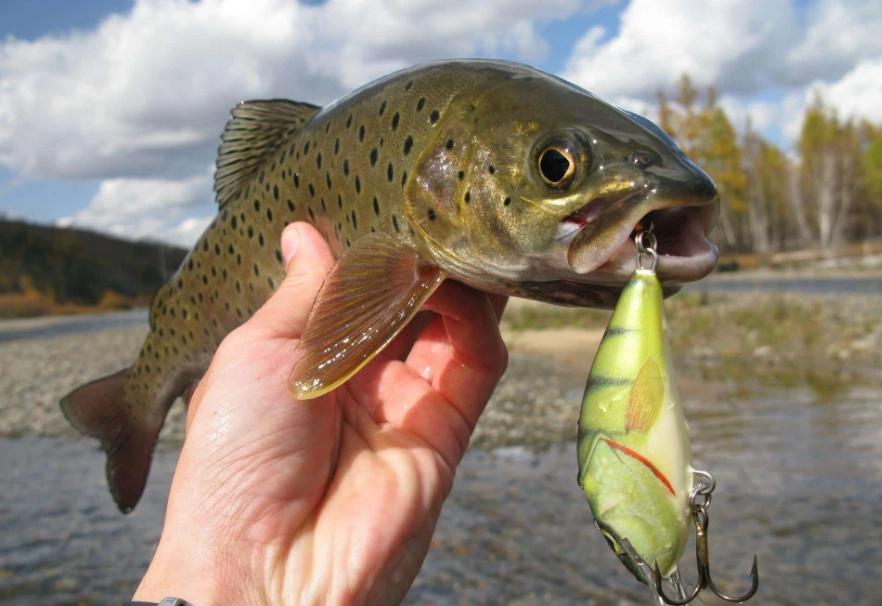
Let me walk you through the errors I see every weekend on the Gunpowder River in Maryland — and the exact fixes.
Why Most Drifts Fail Before the Fly Even Moves
New anglers obsess over pattern. Ten years in, I'd argue that 80% of refusals come down to depth and drag. I watched a guy fishing a size 18 Copper John behind a strike indicator for two hours. Nothing. I handed him a split shot the size of a peppercorn and told him to bump the indicator six inches. Second cast, fish on.
The logic: trout hold within inches of the bottom, but they won't move six inches up for a fly that looks unnatural. Your fly needs to bounce along the substrate. If you're not ticking bottom every few casts, you're fishing too high.
The non-consensus take? Most strike indicators are too big. A large foam indicator creates drag and lifts your fly on slower seams. I've switched to a small pinch of yarn — a setup I picked up from a guide on the South Platte. It's harder to see, but it keeps the drift cleaner. Tradeoff: you need polarized glasses and a bit of faith.
The Trout Rig Setup I Actually Trust
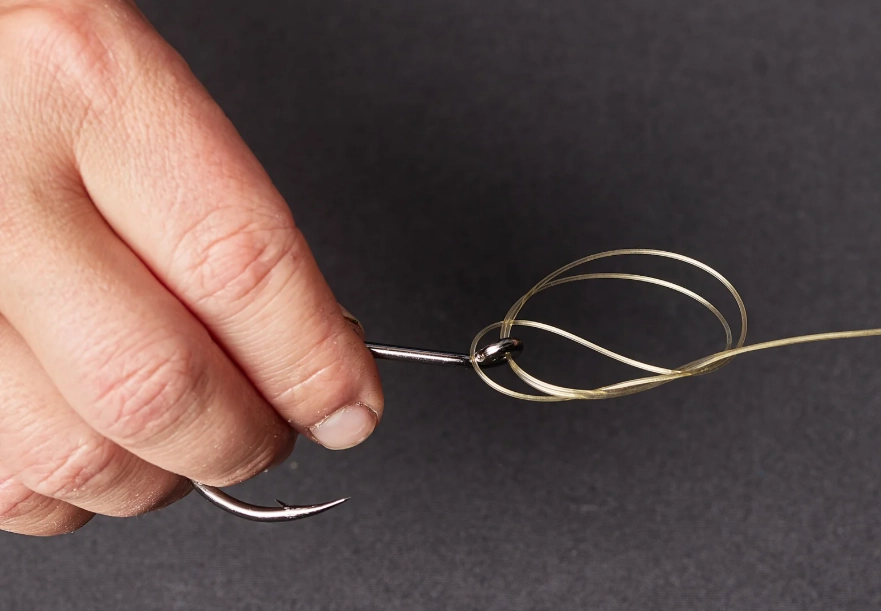
I keep it simple. A 9-foot 5X leader, a tippet ring, then 4X fluorocarbon down to the first fly. If I'm nymphing, I run a two-fly rig: a heavier beadhead on the point, a small emerger on the tag. That's it. No swivels, no fancy droppers.
Here's the rig I'd tie before any river session:
- Leader: 9 ft tapered to 5X
- Tippet: 4X fluorocarbon, 18–24 inches
- Point fly: Beadhead Hare's Ear, size 14
- Tag fly: RS2 emerger, size 20, tied 12 inches above point
- Weight: One or two small split shot above the knot
- Indicator: Small yarn pinch, set at 1.5x the water depth
What I don't do: use a swivel. They catch on the guide and create a tiny hinge that telegraphs drag. Sounds minor. It isn't.
How Do You Read Trout Water Without a Guide?
Look for two things: oxygen and cover. Trout won't hold in slow, flat water even if it's deep. They want a seam where fast water meets slow. The bubble line — that trail of foam on the surface — is your best friend. I fish the edge of the bubble line, not the middle.
One mistake I made for years: fishing the tailout of a pool. Trout do sit there, but they're often the spookiest fish in the river. The better water is the head of the pool, where the riffle dumps in. Fish hold tight against the lip, facing upstream. You need a dead-drift right along that seam.
Another subtlety: structure you can't see. A submerged boulder creates a cushion of slow water right behind it. That's where the biggest trout sits. Drop your fly three feet behind the rock, not on top of it.
Stealth Errors Nobody Warns You About
I once crawled on my hands and knees to a pool on a small Pennsylvania creek. Stood up to cast, and a 20-inch brown bolted. Trout feel footsteps through the bank. They see your rod tip wave. They sense your shadow.
The fix: approach from downstream, keep low, and cast sidearm. Wear dull colors — I've seen fish spook from a bright red jacket. And don't false cast over the water. Make one back cast over land, then deliver.
Here's a small thing: your fly line hitting the water creates a pressure wave. A gentle, open loop beats a tight loop for dry flies. Tight loops crash down; open loops float. Most guides won't tell you that because they're selling precision. For spooky trout, softness wins.
What Bait and Lures Work by Season
I'll be honest: I'm a fly guy first. But I've watched spin anglers out-fish me in high, cold water. The reason? They can get deep faster and stay there. For those days, a small Panther Martin or a 1/8 oz spoon works. In summer, when fish go tight-lipped, a live nightcrawler drifted under a float beats any fly.
Seasonal shift table:
| Season | Best Technique | Why It Works |
|---|---|---|
| Spring (high water) | Nymphing with heavy split shot | Trout hunker down; you need to hit them on the nose |
| Summer (clear water) | Dry-dropper, early morning | Fish feed in low light and won't rise after 10 a.m. |
| Fall (spawning runs) | Egg patterns and streamers | Trout key on eggs and chase baitfish |
| Winter (cold) | Slow, deep nymphing with small flies | Metabolism drops; fish won't chase |
Quick Reference Table
| Technique | Best For | Key Detail |
|---|---|---|
| Dead-drift nymphing | Pocket water, riffles | Bounce bottom; no indicator drag |
| Swing streamers | Deep pools, fall browns | Let the current do the work |
| Dry-dropper | Shallow runs | Use a high-float dry like a Chubby Chernobyl |
| Float and bait | High water, murky | Live worm, set hook immediately |
Straight Answers to Real Questions
How do I stop trout from spooking in crystal-clear water?
Stop false casting. I mean it. Every false cast above the water sends a shadow and a ripple. Make your first cast count — usually a roll cast from a low angle. And fish upstream, not across. Trout face upstream; they see you coming if you wade cross-stream.
Why do I miss strikes when nymphing?
Your hook set is too late. A trout takes and rejects a nymph in under a second. Watch the indicator, not the fly. If it stops, twitches, or dips — set the hook. Don't lift the rod like you're dry-fly fishing; sweep it low and to the side. That keeps the line tighter.
What's the single biggest rig mistake you see?
Too much tippet. I see 5 feet of 6X below a strike indicator. That's a mess of drag. Keep it under 24 inches. My rule: the distance from your indicator to your point fly should match the depth of the water plus a foot. Any more and you lose contact.
Do trout care about line color?
Not much. They care about line shadow. A bright fluorescent line is fine in murky water, but in clear, shallow water, switch to a muted line. The shadow matters more than the color above the surface.
Fact-checked against field notes and guide interviews from the Gunpowder River and South Platte.