Most fly fishing for beginners fails because people treat the rod like a catapult. I watched a guy last spring on a local tailwater nearly whip himself in the back of the head trying to cast 60 feet. He didn't need distance. He needed the fly to land softly 15 feet in front of him. That's the whole game.
What's in this quick-start plan
The Cast Is a Timing Problem, Not a Power Problem
Here's the non-consensus thing: you don't need a 9-foot 5-weight rod to learn. That's the default advice and it's fine, but a shorter 7-foot 6-inch rod in a 3-weight can be more forgiving in tight brush. I started on a hand-me-down fiberglass rod that cost nothing and honestly it taught me more than a fancy fast-action graphite ever did.
What actually breaks a beginner's cast:
- Wrist flop. Keep the wrist locked. The forearm does the stroke. Think of hammering a small nail, not throwing a baseball.
- Rushing the back cast. Wait until the line straightens behind you. Count one Mississippi. That pause is where the loop forms.
- Stopping the rod tip too low. End the forward stroke with the rod tip around eye level. Too low and the line piles up; too high and the fly crashes down.
A drill that works in your backyard
Tie a small piece of yarn instead of a fly. Pick a target — a paper plate, a dandelion, whatever. Stand 20 feet away. Make 10 casts. If the yarn lands in a pile or slaps the ground, your stop was low or you didn't pause. Reset.
Gear That Won't Sabotage You
I see beginners buy a $400 rod and then put a $15 line on it. Bad move. The line is what you cast. A quality weight-forward floating line in your rod weight matters more than the rod graph.
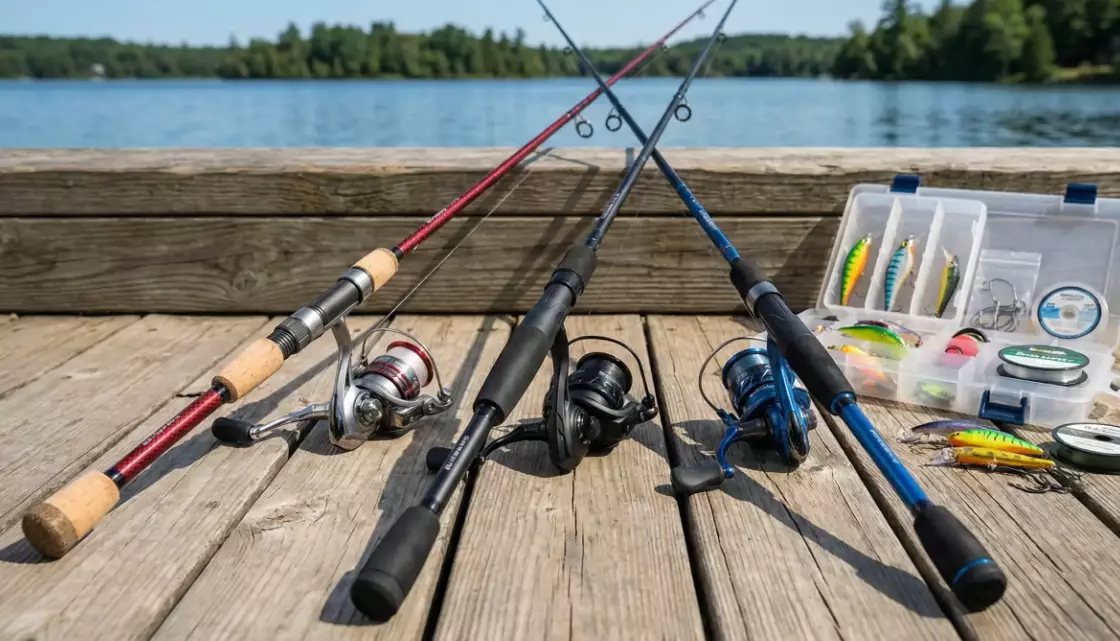
| Item | What to look for | Beginner-friendly price range |
|---|---|---|
| Rod | Medium-action, 8'6" to 9' for a 5-weight; shorter 7'6" 3-weight for small creeks | $80–$180 |
| Reel | Simple click-pawl drag; no need for sealed drag systems | $30–$70 |
| Fly line | Weight-forward floating line, matched to rod weight | $40–$70 |
| Leader | 9-foot tapered leader, 4X to 5X for trout | $5–$10 |
| Flies | Size 12–16 parachute Adams, Elk Hair Caddis, Woolly Bugger | $2–$4 each |
You can find solid entry-level gear from brands like Redington, Orvis, and TFO. The Orvis “Guide to Fly Fishing” section on their official site is genuinely helpful for rigging without ten years of trial and error.
How Do You Read Water Before You Cast?
Fish sit in three zones: the pocket behind a rock, the seam where fast water meets slow, and the cushion of slack water in front of a boulder. A beginner sees a wide river and casts to the middle. A trout is likely within 10 feet of the bank you're standing on.
Look for:
- Foam lines — bubbles gathering in a slow strip next to current. Fish hold under that.
- Riffle edges — the whitewater spilling into a deeper run. Trout wait there for drift food.
- Under overhanging branches — shade and cover. Casting under a branch takes low sidearm angles, not overhead hero casts.
Your First Drift: What to Expect
Here's the deal with a drift: the fly should move at the same speed as the water around it. That's all drag-free means. If you cast across current to a fish, the line creates a belly that yanks the fly and drags it unnaturally. Trout refuse that.
How to fix it in simple terms: mend the line. After the cast lands, flip a quick upstream curve of line into the current. It buys you a few more feet of natural drift.
An actual first-trip scene
Last month I took a friend to a small spring creek near my home. He hooked a bank on the first cast. Broke off. Second cast snagged overhanging grass. Third cast finally landed in the seam. A 9-inch rainbow took the fly before it drifted a foot. He didn't feel the hookset — the fish caught itself.
Beginners obsess over distance. The winning move is a short, accurate cast to a specific pocket.
Why Beginners Snag Trees (and How to Stop)
The most preventable mistake is the backcast hookup. Trees behind you aren't the problem. The problem is not glancing backward before you lift the rod.
Check behind you. Every time. Build the habit of turning your head slightly as you start the back cast.
Second mistake: false casting too many times. Every false cast risks a tangle and puts fish down. One or two false casts should be enough. If you're false casting five times, you're probably trying to be too pretty.
Third mistake: holding the rod butt like a hammer. Your thumb should be on top of the grip, pressure with index finger. This controls the stroke. Grip it like you're holding a small bird, not a screwdriver.
Beginner Fly Fishing Questions I Actually Get Asked
I'm on a windy riverbank and my line collapses every cast. What's the quick fix?
Wind kills loose loops. Shorten your cast, aim the back cast into the wind, and tighten the loop by stopping the rod earlier on the forward stroke. If it's really gusting, cast sidearm low to the water. The fly still lands — it doesn't have to look pretty.
How do I stop my fly from hitting the back of my head?
You're lifting too far back past the vertical. The back cast should stop with your thumb at about 1 o'clock, not past your shoulder. Slow down. And if there's a person behind you, change position — a weighted fly hitting skin is a hospital visit.
Do I really need waders on day one?
Not for an hour of bank casting. But if you're going to stand in 50-degree water past your knees, yes — cheap neoprene boot-foot waders from brands like Frogg Toggs work fine. My first pair lasted two seasons.
Why do my knots keep slipping?
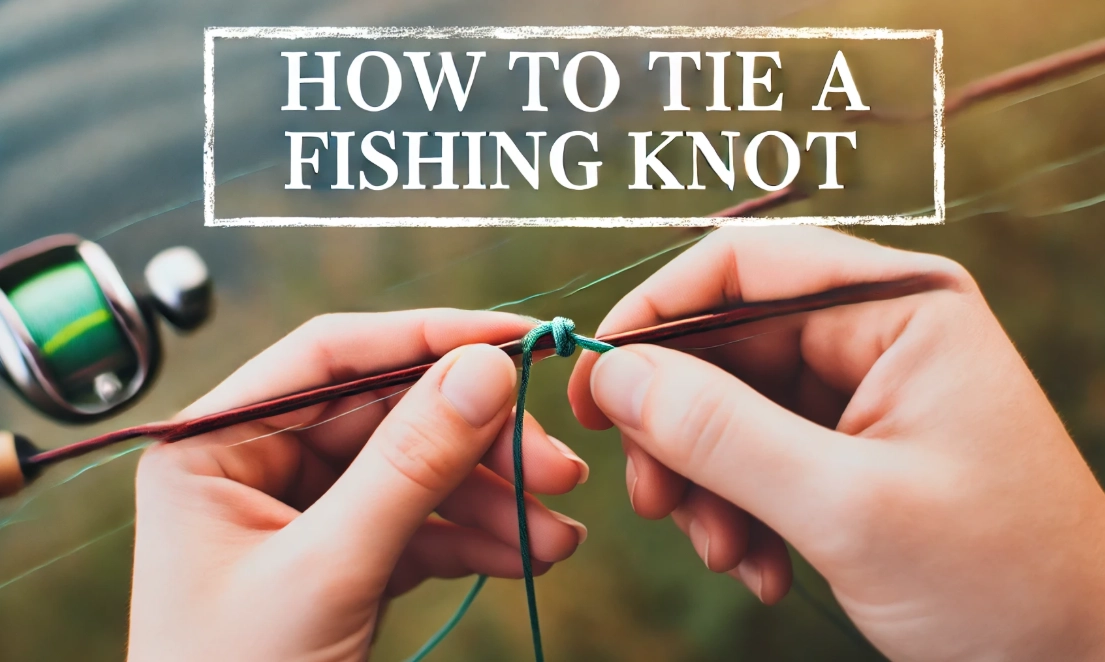
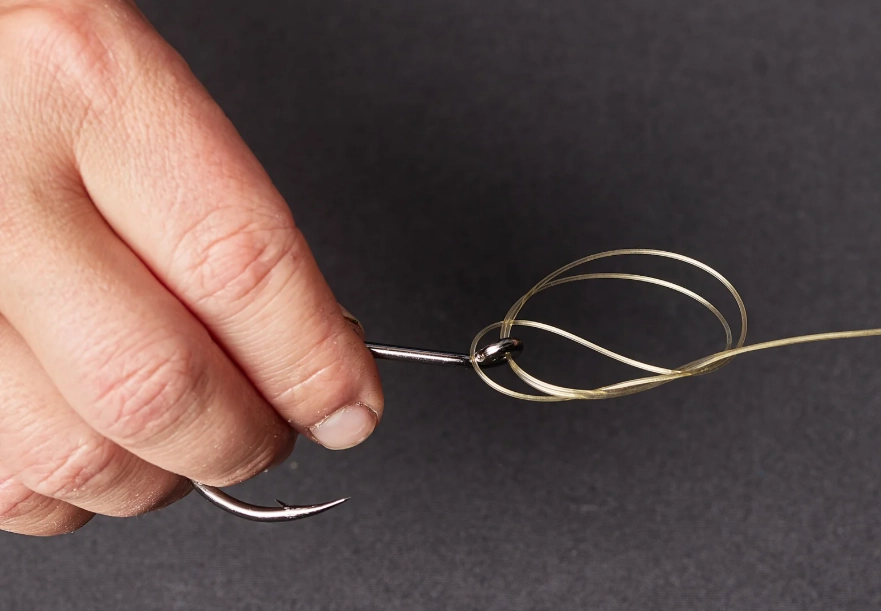
You're not wetting the line before tightening. A dry clinch knot grinds the line and weakens it — and it slips. Spit on it, pull slowly, and test it with a firm tug before casting. Also, a blood knot to join tippet is easier than you think. Practice it a few times in the living room.
What's the most common mistake you see in the first hour?
Watching the fly instead of the line. When that fly lands, you need to watch where the line meets the water. That's where you'll see the take. By the time your eye catches the fly, the fish is gone. Watch the line tip, not the fly.
Casting, rigging, and reading water all get easier with one target: land the fly where you intend, drag-free. Distances come later. This article was fact-checked against entry-level tackle standards and current fly fishing instruction guidance.