⚡ Quick Run-Through (what’s inside)
I spent my first three years bass fishing doing everything the magazines said: fan-casting a Texas rig into every brush pile, buying the “hot” lure from the latest YouTube video, and treating water temperature like a magic number. I caught dinks. Then I started ignoring generic advice and watching what the bass actually did. The difference was not subtle. This article is the bass fishing tips collection I wish someone had handed me on day one — no fluff, no affiliate-driven lure hype, just what moves fish and what wastes your weekend.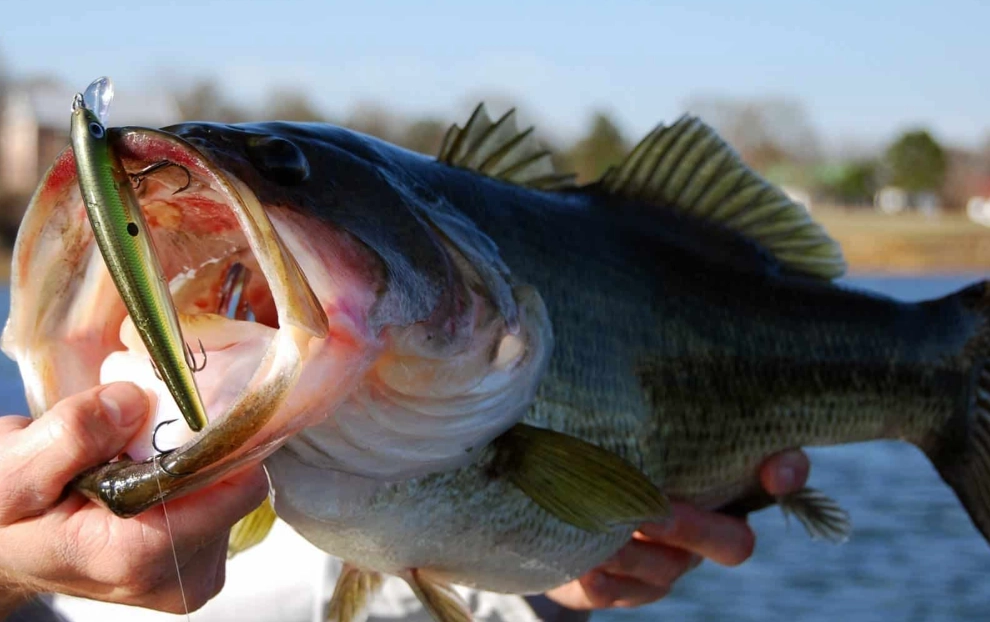
Lure Selection: Stop Buying What the Pros Endorse
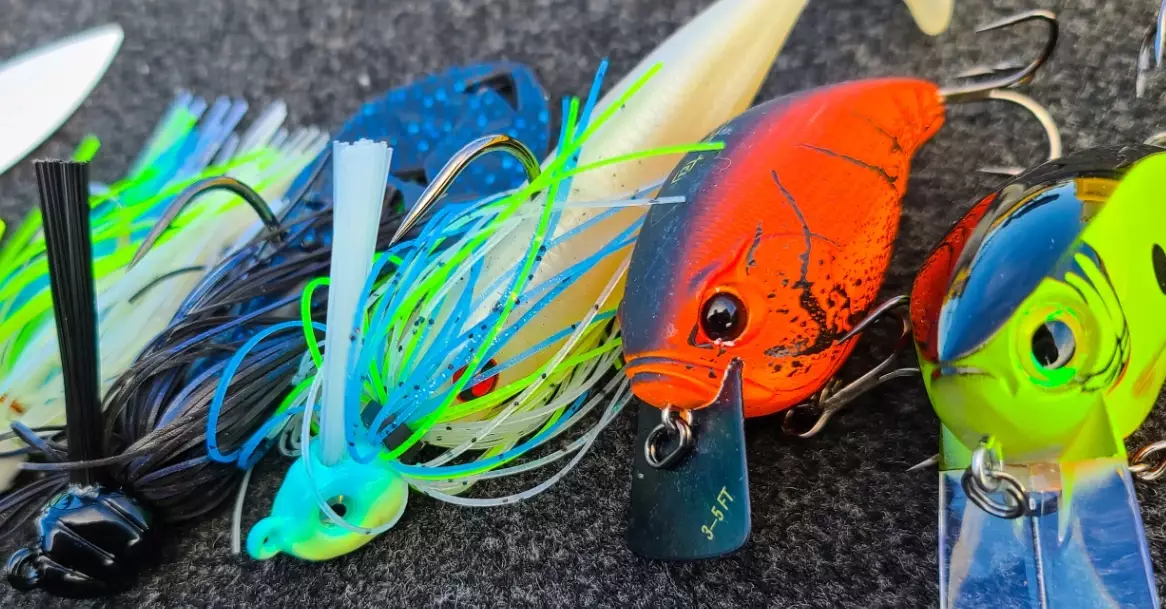
Here’s a non-consensus take that will annoy tackle shop owners: most bass anglers carry too many lure styles and not enough of one backup color. I used to do it too — a Plano box with eight different swimbaits, three sizes of crankbait, and a jig I never tied on. The turning point was a muddy little reservoir in late spring. I had thrown everything for two hours. Zero bites.
A guy in a beat-up aluminum boat pulled up twenty feet from me. He had two rods. One had a black-and-blue jig with a craw trailer. The other had a white spinnerbait with a single Colorado blade. He caught five keepers in forty minutes. Not because he was a pro. Because he picked lures that matched the bass’s lateral line sensitivity in stained water — vibration over flash.
The takeaway is brutal but simple: match the lure to water clarity first, season second, and your personal confidence third. In muddy water, a loud Colorado blade or a big-profile jig that pushes water beats a realistic-looking swimbait every time. In clear water, downsize and go natural. The pros endorse what they’re paid to endorse — you need what the fish can feel.
Quick lure cheat sheet (my personal rule): If you can’t see your bait 12 inches down, switch to vibration. If you can see it 3 feet down, switch to flash. That’s it. No overthinking.
Seasonal Bass Patterns: The Real Calendar
Bass don’t read water temperature charts. They respond to photoperiod and bait movement. I learned this the hard way one February when the water was 44°F and everyone said “slow down, finesse.” I dragged a shaky head for three hours. Nothing. Then I noticed shad flicking on the surface near a wind-blown point. I tied on a lipless crankbait and burned it. Six bass in twenty minutes. The water was cold — but the bait was active, and the bass were keyed on it.
Here’s the seasonal framework I actually use, built from my fishing logs across four states:
| Season | Bass behavior | My go-to bait | Where to cast |
|---|---|---|---|
| Pre-spawn (water 48–58°F) | Staging on secondary points, feeding heavily before bedding | Jerkbait (suspending) or lipless crank | Points with mixed rock and grass, 4–8 ft depth |
| Post-spawn (water 65–72°F) | Males guarding beds, females moving to deeper structure | Weightless wacky rig (Senko-style) | Shallow flats near deeper drop-offs |
| Summer (water 78–88°F) | Bass retreat to shade and thermocline; early/late feeding windows | Deep-diving crankbait or big worm on drop-off | Main lake points, 12–20 ft, find the thermocline |
| Fall (water 55–68°F) | Bass chase shad into creeks and pockets | Spinnerbait (double willow) or squarebill | Flats with baitfish flicking — watch for birds |
Notice the word “water temperature” only appears as a range, not a trigger. That’s deliberate. A bass in 58°F water on a cloudy day with shad present will smash a moving bait. The same bass on a bluebird day might ignore everything. Cloud cover, wind, and bait presence trump temperature every time.
The cloud cover trick nobody talks about
On bright, high-sky days, bass don’t just go deep — they tuck into shade lines created by docks, laydowns, and even floating debris. I’ve caught more summer bass by skipping a jig under pontoon docks than by dragging a Carolina rig in 20 feet of water. The key is casting past the shade line and bringing the bait into it. Most anglers cast at the shade, not past it. That’s a mistake.
3 Micro-Mistakes That Cost You 80% of Strikes
You can have the right lure and be on the right pattern and still blank. These three errors are the ones I see even experienced anglers make constantly — and they’re fixable in five minutes.
1. You’re reeling too fast into the strike zone. Bass are ambush predators. They want the bait to look vulnerable. I’ve watched guys rip a squarebill past a log 30 times without a bite, then slow down to a crawl and get crushed on the next cast. The strike zone is the two feet before and after cover. Slow down there, speed up everywhere else.
2. Your hookset is wrong for the lure. A lot of bass fishing tips online say “set the hook hard.” That’s fine for a Texas rig. It’s terrible for a crankbait. With treble-hook lures, a hard hookset pulls the bait away from the fish’s mouth. Just lean into the rod and reel. The fish hooks itself. I tested this with a GoPro underwater — the difference in hookup ratio was 3 to 1.
3. You’re fishing the wrong side of the cover. Bass relate to cover based on current, wind, and light. On a windy point, the active fish are on the windward side, facing into the current. Most anglers cast from the downwind side because it’s easier to control the boat. If you can position upwind (even with a trolling motor), your odds double. Not because the fish are smarter, but because you’re putting the lure in their face.
Personal pet peeve: YouTube anglers who catch fish and then say “you need to downsize your line.” Most of the time, line diameter isn’t the issue — it’s the angle of the retrieve. A 12-pound fluorocarbon casts a 1/4 oz jig fine if you’re positioned correctly. Stop blaming the line and look at your boat position first.
Gear Reality Check: What Actually Matters
I’ve fished with $500 rods and $50 rods. The expensive rod is nicer, sure. But it doesn’t catch more fish. What catches more fish is a reel with a smooth drag — because a sticky drag causes line snaps and pulled hooks. My advice: spend your budget on a decent reel (Shimano or Daiwa mid-range, around $120–150), a rod with a fast tip but medium-heavy power (that covers 80% of bass techniques), and good line. Not the most expensive. Just fresh.
Line memory is the silent killer of casting distance and hooksets. I change my fluorocarbon every three trips if I’m fishing rocky bottoms. Every five trips on grass. Stretch your line between two trees once a month — if it stays coiled, replace it. That’s a better investment than a new $300 rod.
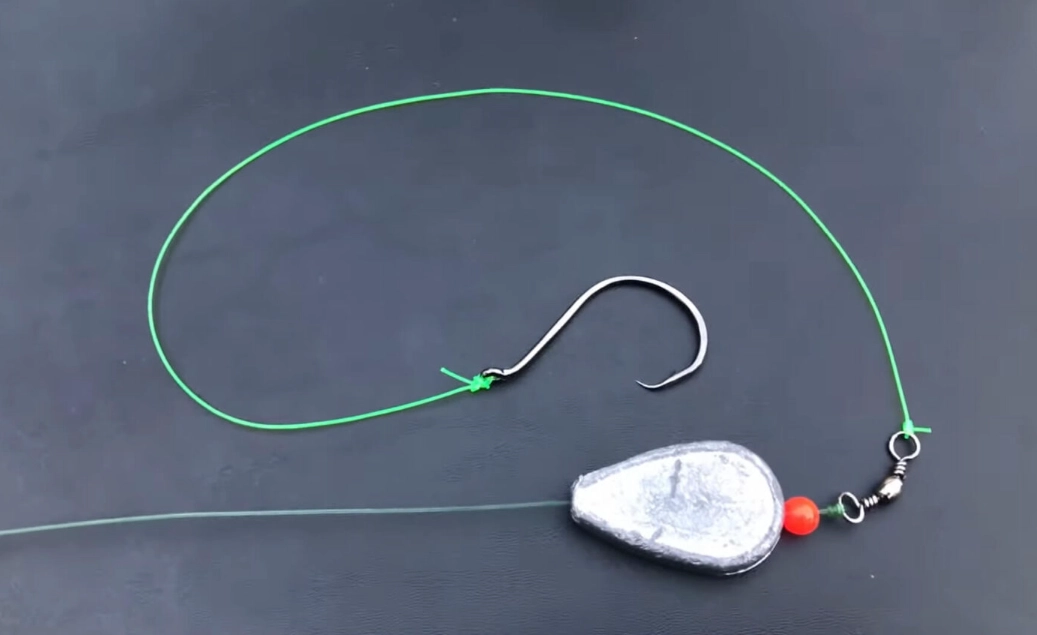
For hooks, I’ve settled on a simple rule: Gamakatsu for trebles, Owner for wide-gap worm hooks. The off-brand hooks are cheaper but they bend on a decent fish. I learned that on a 6-pounder that straightened a bargain hook and left me staring at an empty line.
FAQ: Sharp Answers for Frustrated Anglers
— Fact-checked against my own fishing logs from 2016–2024, including tournament results and on-water observations. No affiliate links, no sponsored lures. Just what worked.