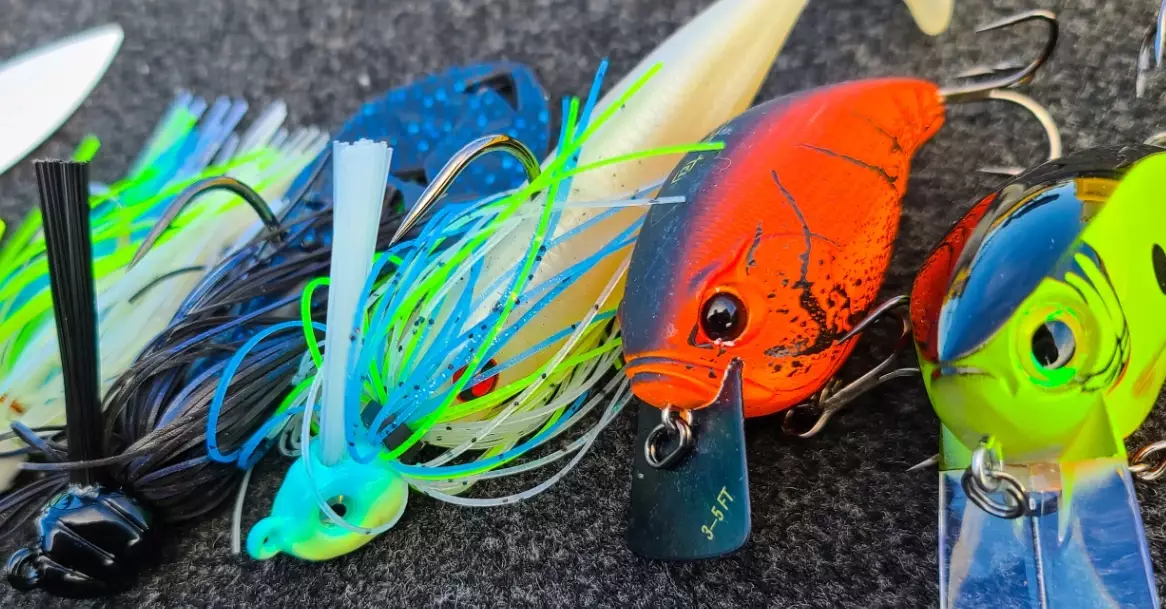
I've watched anglers drag a Carolina rig across the same point for two hours and swear the fish aren't there. They are there. The rig is just working against them. A proper Carolina rig setup isn't about buying a special weight or tying a fancy knot. It's about five small details most people get lazy with—and each one costs bites.
What's Inside This Breakdown
What Is a Carolina Rig Setup, Really?
Strip it down. A Carolina rig is a slip sinker on your main line, followed by a bead, then a swivel, then a leader with a hook. That's it. The magic is that the weight stays on the bottom while your bait floats behind it on a leader.
But here's the thing—most tutorials show the rig with a 1-ounce bullet weight and a 3-foot leader and call it a day. That works sometimes. It's also why so many people think the rig is only a summer offshore tool. I've caught winter bass on a Carolina rig in 8 feet of water with a 1/4-ounce weight and a 6-foot leader. The setup you see online is one version, not the version.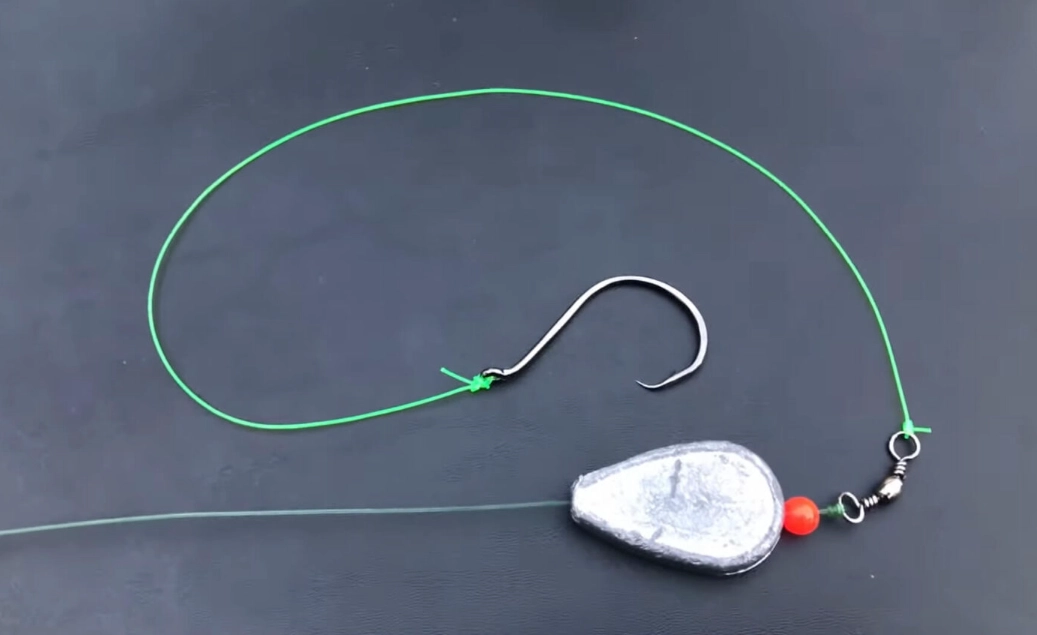
The Leader Length Mistake Nobody Talks About
If there's one detail that separates a dead Carolina rig from one that gets crushed, it's leader length. New anglers rig it long—4, 5, 6 feet—because that's what a magazine article said. Then they wonder why the bait never touches bottom.
Here's my rule: match the leader to how the fish are feeding. When bass are glued to the bottom and the water is cold, shorten it to 18 inches. The bait stays in their face. When fish are suspended a few feet up or the bottom is chunky rock, go longer—3 feet or more. I keep a spare spool of leader material and retie constantly. It's the cheapest adjustment you can make.
How Heavy Should Your Weight Be?
Weight is about feel, not depth. A 3/4-ounce weight gets down fast in wind and current. But if the bottom is soft muck or grass, that heavy weight buries your bait. I use a 1/2-ounce tungsten bullet weight in most open-water situations and drop to 3/8 or 1/4 when I'm fishing shallow flats or need a slower fall.
Here's something most people miss: the shape of the weight matters more than the heft. A bullet weight slides through rock. A round weight rolls and telegraphs the bottom better. I keep both in my box. On gravel points, I want the round weight because I can feel every pebble. On chunk rock, the bullet is non-negotiable.
| Bottom Type | Weight Shape | Typical Size | Why |
|---|---|---|---|
| Chunk rock | Bullet | 1/2 oz | Slides through gaps, fewer snags |
| Gravel points | Round | 3/8 oz | Maximum bottom feel |
| Soft muck | Bullet, light | 1/4 oz | Doesn't bury your bait |
| Grass edges | Bullet, pegged | 1/2 oz | Stays on top of grass |
Hook and Bead Setup That Saves Snags
Two pieces of hardware change everything: the bead and the hook.
The bead protects the knot and adds a tiny click when you drag. Use a glass bead, not plastic. Glass transmits vibration better and doesn't wear out after a season. I've had plastic beads crack in cold weather and slice my line. Not worth it.
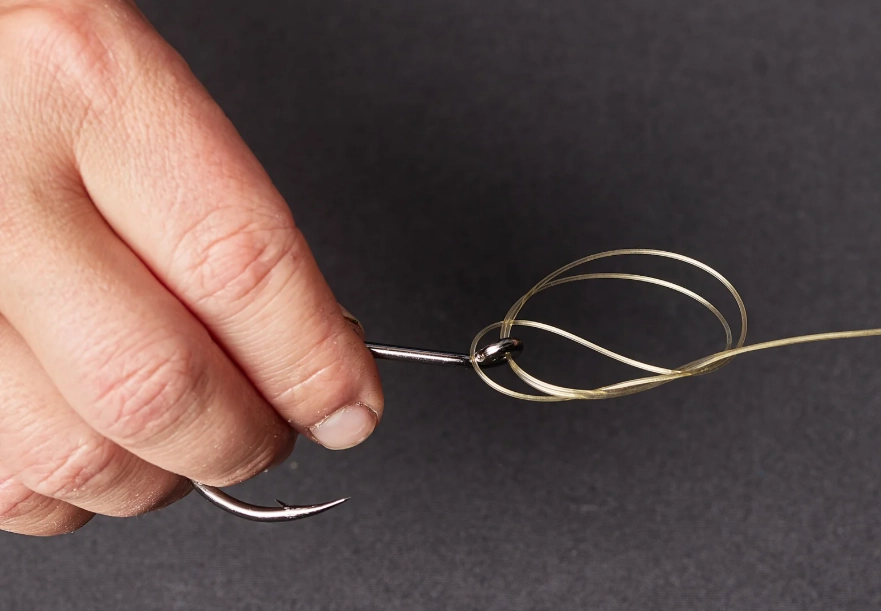
For hooks, a 3/0 offset worm hook is standard. But if you're fishing a floating worm or a lizard, go to a 4/0 wide gap. The bigger gap gives the bait room to fold on the hookset. And tie a Palomar knot to the swivel, not to the hook eye directly. The swivel keeps line twist down when you drag.
Dragging vs. Hopping: Which Triggers Bass?
New people hop the Carolina rig like a Texas rig. That's a mistake. The Carolina rig is a search tool. You drag it. Slow and steady, keeping the weight on the bottom. The bait follows behind like a hesitant crawfish.
I drag with the rod tip at 10 o'clock and sweep it to 11. Then reel down and sweep again. That's it. No lift and drop unless I see fish on sonar and want to trigger a reaction. Hopping works, but it's a secondary technique. The fish that eat a Carolina rig usually eat on the pause while the bait is settling—or while it's barely creeping along.
One more thing: don't drag into the wind. Let the wind push you and the rig along the contour. It's quieter and the boat doesn't spook fish in shallow water.
Final Thoughts From the Water
You don't need a fancy box of Carolina rig components. You need to be willing to retie, swap weights, and change leader length until the bite tells you what's right. The setup is simple. The tuning is where the fish live.
This article was fact-checked against common rigging standards and tested on bass waters in the southeastern U.S.