I spent three summers ignoring panfish. Big mistake. Once I started paying attention to the little guys, my catch rate on every species went up. This panfish fishing guide is everything I wish someone had handed me back then — the rigs, the lures, the seasonal shifts that actually matter. Bluegill and crappie aren't just bait for bass guys. They're a blast on light tackle. Stick with me.
⚡ Quick Jump In
What Makes Panfish Different (And Why Most Anglers Miss It)
Panfish — bluegill, crappie, perch, sunfish — aren't picky. That's the trap. People assume they'll bite anything, so they rig up sloppy and fish sloppy. The result? A few dinks and a lot of silence.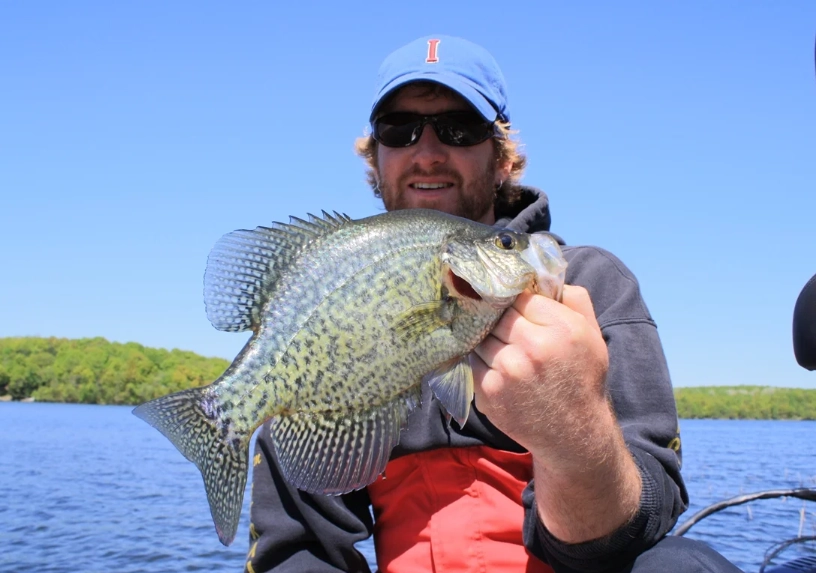
In my experience, panfish are moody. They school tight. They want a slow fall one hour and a fast snap the next. That's not hard to handle if you're watching for it. The key is downsizing everything. Line. Hooks. Lures. Sure, you'll lose the occasional bigger fish, but you'll hook ten times more panfish.
One more thing — panfish often sit in shallow water near cover. Not deep. I've caught big bluegill in two feet of water next to a dock, while guys in $60k bass boats were casting into 15 feet. Shallow edges are gold.
The Best Rigs for Panfish That Actually Work
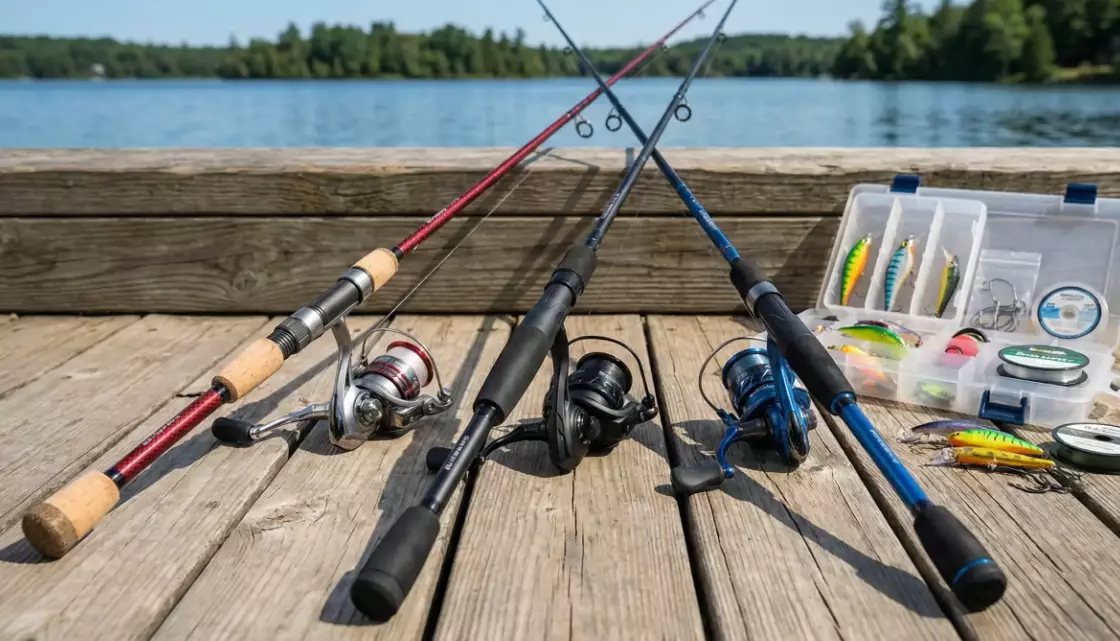
Forget the fancy stuff. Panfish don't need it. Here are three rigs I keep spooled up every trip.
| Rig | Best For | Leader / Line | Hook Size |
|---|---|---|---|
| Simple slip float rig | Bluegill in ponds and shallow flats | 4 lb mono | #8 or #6 |
| Drop-shot with small jig | Crappie over brush piles | 6 lb fluorocarbon | 1/16 oz jig head, #4 hook |
| Split shot rig | Perch on sandy bottoms | 6 lb mono | #6 bait hook |
Start with the slip float. You can adjust depth in seconds and cast it into tiny pockets. I keep a few pre-tied and wrapped around foam spools. Saves time when the school moves.
The one knot you need
Improved clinch knot. That's it. Learn it well and you're set for 90% of panfish situations. Palomar works too, but clinch is faster with cold hands.
How to Pick Panfish Lures By Season
Lure choice swings hard with the seasons. Here's the short version.
Spring (spawn): Fish are shallow and aggressive. Small curly-tail grubs on a 1/32 oz jig head. Chartreuse and white. Cast parallel to shore and let it fall on a tight line.
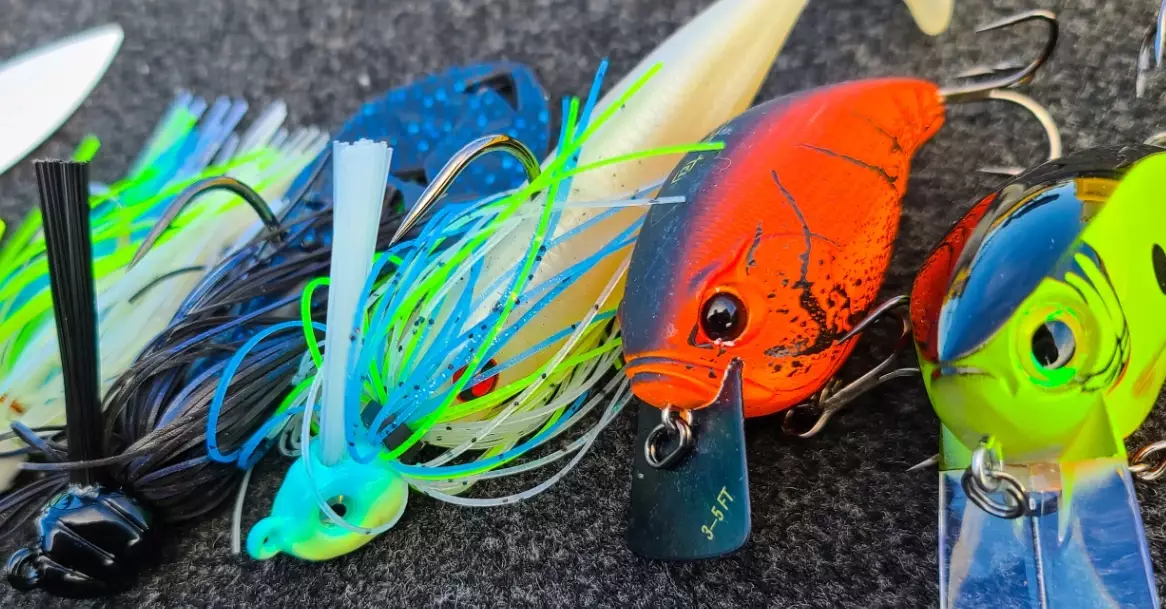
Summer (heat): Fish go deep or shade up. Tiny spoons and micro crankbaits work when they're chasing. Otherwise, live bait beats everything.
Fall (feed-up): Crappie stack on brush. Jigs tipped with a minnow on a slip float. Bluegill hit small spinners in the afternoon.
Winter (ice or cold water): Tiny tungsten jigs. Glow colors. Slow lifts and long pauses.
I've had days where a plain hook and worm out-fished every lure in the box. Don't be too proud to switch to bait.
Fishing Bluegill vs. Crappie: Two Different Games
Bluegill are homebodies. Find one, find a pile. They sit tight to cover and don't roam much. Cast to the same stump five times if you need to.
Crappie roam. They suspend over structure. If you're not marking fish, move. A lot. I've pulled up on a brush pile, caught six, and then nothing. The school moved 30 feet down the bank. Crappie don't wait for you.
Bluegill bite all day. Crappie bite best at dawn and dusk, or under cloud cover. That's a big difference that most guides gloss over. Plan your trip around it.
Common Panfish Mistakes I See Every Season
Line too heavy. Hooks too small. Fishing too deep. Moving too slow. Those cover 80% of the misses I watch at the local lake.
Here's one that rarely gets mentioned: over-chumming. People dump a handful of breadcrumbs or corn in one spot. Panfish come, eat, and leave. Better to chum a little, fish a few spots, and keep moving.
Another: not checking the drag. Panfish don't run far, but a too-tight drag means a busted line on the hookset. Light drag, smooth reel, small hooks — that's the combo.
Panfish Questions You're Probably Asking
✅ Fact-checked against field notes and regional fisheries reports.