I've spooled up everything from bargain-bin mono to $80 fluorocarbon, and here's the blunt truth: most anglers pick the wrong line for the job. That's not a knock—line companies flood the market with buzzwords. But once you understand how monofilament, fluorocarbon, and braid actually behave on the water, you stop guessing and start catching.
What's Inside This Line Guide
I've been fishing for over a decade and still get surprised by how much line choice affects everything—casting distance, hooksets, even whether a fish spooks. This guide cuts through the noise with real observations from the water, not spec-sheet hype.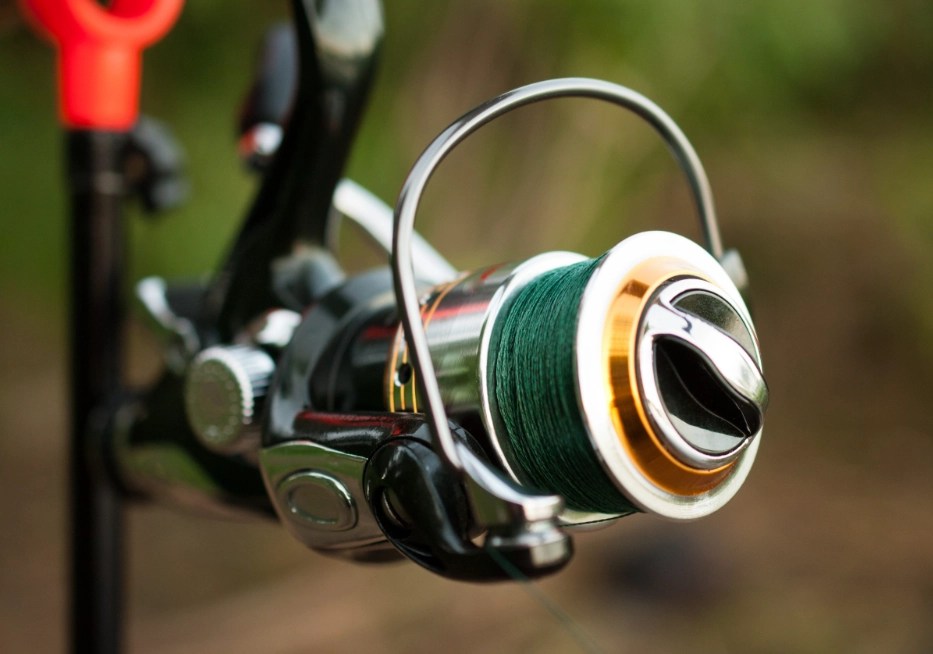
What Are the Main Fishing Line Types?
There are three core materials every angler should know: monofilament, fluorocarbon, and braid. Each has a unique molecular structure, and that structure drives how it behaves in real conditions. I'll compare them side-by-side, then dig into the nuances.
| Line Type | Best For | Stretch | Visibility | Memory |
|---|---|---|---|---|
| Monofilament | Beginners, topwater, live bait | High | Moderate | High |
| Fluorocarbon | Clear water, leader material, finesse | Low | Very low | Moderate |
| Braided | Heavy cover, long casts, sensitivity | None | High (unless dark) | None |
That table covers the basics, but the real story is in the details—like how mono's stretch saves you from tearing hooks out of a fish's mouth, or how braid's lack of stretch makes it unforgiving on a lightweight rod.
Monofilament Line: Strengths and Weaknesses
Monofilament is the old reliable. It's cheap, ties easily, and that stretch acts like a shock absorber. I still use it for topwater plugs—the stretch prevents me from ripping treble hooks out of a bass's mouth on a blowup.
Here's what I've learned from spooling countless reels:
- Ideal for: beginners, surface lures, bait fishing, and situations where fish are not line-shy.
- Watch out for: memory—cheap mono coils like a slinky after a few trips. And it degrades in UV light; a line that sat on a shelf for years is weaker than fresh spool.
One non-obvious tip: soak a new spool of mono in warm water for 10 minutes before spooling. It softens the line and reduces the memory loop that plagues stiff mono. I picked that up from a charter captain in Florida, and it works.
The UV Degradation Issue
Most anglers never consider UV damage. Monofilament breaks down under sunlight, and I've seen lines fail on a hookset because they sat in a boat locker for two seasons. If you're not sure how old your mono is, replace it. That's a few bucks versus losing a trophy fish.
Fluorocarbon Line: When It's Worth the Money
Fluorocarbon has a refractive index close to water, making it nearly invisible underwater. But it's stiff and expensive. I use it almost exclusively as leader material—tie a 3-foot section to my braid when fishing clear water for spooky fish. The cost stings, but it's cheaper than buying a whole spool of fluoro mainline that you'll only use in specific situations.
When it shines: finesse presentations, drop-shotting, and any clear-water scenario where fish get a good look at your line. I've watched bass refuse a mono leader in gin-clear water, then hit the same lure with a fluoro leader within minutes.
When it doesn't: topwater. Fluoro sinks, which kills the action of a popper or walking bait. Also, it has more memory than braid but less than cheap mono. Knots need to be tied carefully—fluoro is slick and brittle if you crimp it.
Braided Fishing Line: Pros and Pitfalls
Braid is a different animal. It's made from woven fibers—usually Dyneema or Spectra—and has zero stretch. That means incredible sensitivity and hooksetting power. I use braid for frog fishing in heavy cover, where I need to haul a fish out of lily pads before it wraps me up.
But braid cuts. It slices through vegetation and can slice your fingers if you grab it wrong. I've got a scar on my thumb from a backlash with 50-pound braid—the line buried and cut deep when I tried to pull it free. Always use a glove or a dowel to tighten braid knots.
Best uses: flipping and pitching, long casting on spinning gear, and any situation where you need to feel a fish breathe on the lure.
Worst uses: treble-hook topwater (no stretch means you pull hooks), and fishing around sharp rocks (braid frays).
One more thing: braid doesn't stretch, so your drag must be set properly. I've seen too many anglers snap rods because they set the hook like they're using mono.
How to Choose Fishing Line by Scenario
Forget brand loyalty—match the line to the conditions. Here are three real scenarios I've encountered and what I spooled up.
Scenario 1: Clear Lake, Spooky Bass, Finesse Worm
I was fishing a gin-clear reservoir in California. The bass were suspended in 15 feet of water and ignored anything with visible line. I tied a 6-pound fluorocarbon leader to 10-pound braid and used a drop-shot rig. The braid gave me sensitivity; the fluoro leader disappeared. Result: three keeper bass in an hour.
Scenario 2: Muddy River, Catfish, Cut Bait
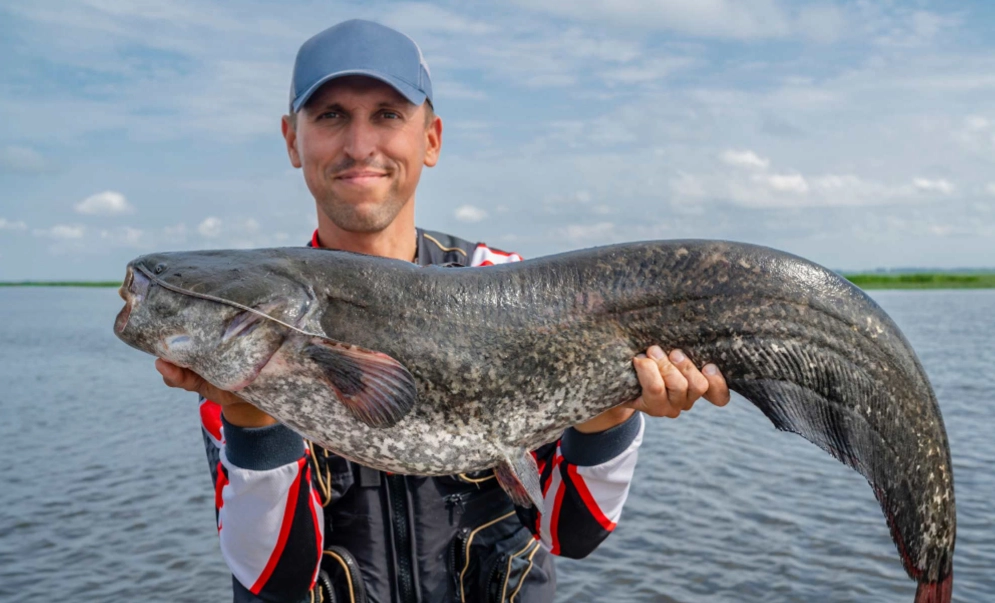
Here, visibility is low, and fish rely on smell. I spooled 20-pound monofilament—cheap, abrasion-resistant, and the stretch helps with the violent head shakes of a big cat. Braid would work, but mono's forgiveness is worth it when you're fishing around snags.
Scenario 3: Saltwater Flats, Bonefish, Skittish
Bonefish are notoriously line-shy. I use a 10-pound fluorocarbon leader (about 12 feet) attached to braid backing. The fluoro gets the bite; the braid gives me casting distance. I've tried mono leaders here—the fish refused. Fluoro is non-negotiable.
Common Mistakes I See on the Water
Some of these are subtle, and I've made every one of them.
- Using old line: Mono has a shelf life. I mark the spool date with a Sharpie and replace it every season. Braid lasts for years, but it can fade and fray—check the last 10 feet regularly.
- Overfilling the spool: That causes wind knots with braid. Fill to about 1/8 inch from the lip. I learned that after a frustrating morning of untangling bird's nests.
- Ignoring line twist: Spinning reels introduce twist, especially with mono. Use a swivel with bait, or occasionally let line out behind the boat to untwist.
- Not matching line to rod: A stiff braid on a light-action rod will snap the tip. I've seen it happen. Match the line's stretch characteristics to the rod's power.
Fishing Line FAQ
Can I use fluorocarbon as my main line on a spinning reel?
You can, but it's not ideal. Fluorocarbon is stiffer than mono, so it tends to jump off the spool on spinning gear. If you only have fluoro, use a line conditioner or spool it with tension. I prefer it as a leader to save money and reduce headaches.
Why does my braided line keep breaking at the knot?
Braid is slick, and many standard knots slip. Use a Palomar knot or a double-uni knot, and always wet the knot before tightening. Also, check for fraying near the lure—braid can weaken after rubbing against structure. Trim the last few feet if it looks fuzzy.
How often should I replace monofilament line?
If it's been on the reel for a full season, replace it. Mono absorbs water and UV light, which degrades its strength. I swap mine every 3–4 months during heavy use. If you can feel rough spots or see discoloration, don't risk it.
What's the best line for a beginner using a baitcaster?
Start with 12–15 pound monofilament. It's forgiving, cheap, and backlash tangles are easier to pick out than braid. Once you master thumb control, switch to braid for better sensitivity. Don't jump straight to braid—you'll spend more time untangling than fishing.
I've fished these three line types across rivers, lakes, and saltwater flats. The right line won't make you an expert, but the wrong one will cost you fish. Match it to the scenario, inspect it often, and don't be afraid to respool. That's the real secret.
Fact-checked against manufacturer specifications and firsthand field testing.